
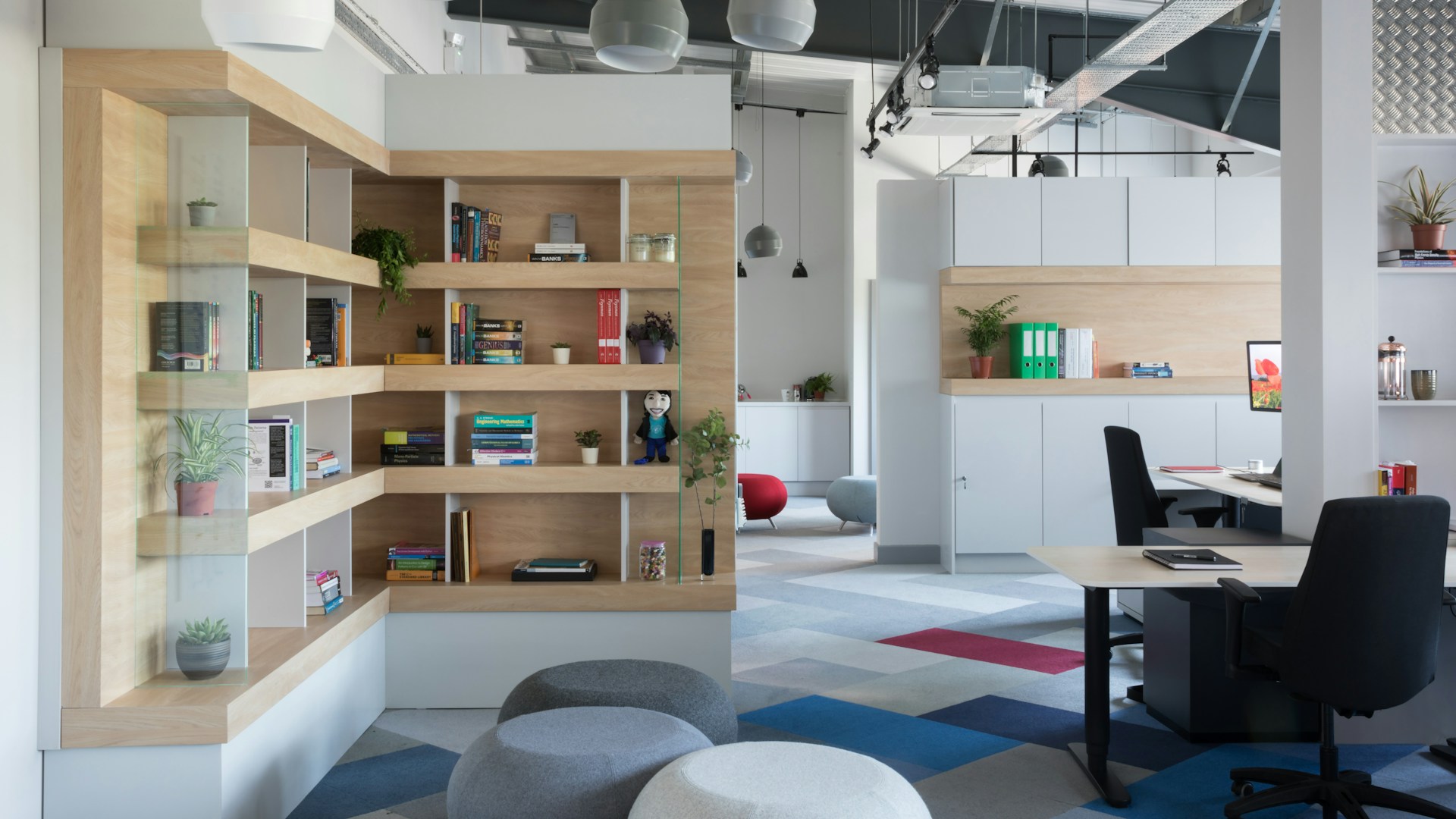
Downsizing your office can be a smart move in a fast evolving business landscape. Factors like hybrid work, shifting team needs, and rising overheads, mean many organisations are reassessing how much space they really require. But an office downsize involves more than just reducing your square footage.
Reducing the size of your workspace is a strategic process that can affect your culture, technology, and long-term business operations… when it’s done right. Thorough planning and an in-depth understanding of the pros, cons, and processes is essential. This is where expert help is absolutely invaluable.
At Niche Projects, we help Sydney businesses make confident workspace decisions, combining data-driven design with impactful yet practical design and fitout solutions. We also help businesses find their next space, and relocate their operations. If you’re considering reducing your footprint, here’s what to think about before taking the next step.
Why more businesses are downsizing their office spaces
Across Sydney and other major cities, commercial tenants are re-evaluating their leases. The rise of hybrid and remote work has transformed how teams use their offices, leading to underutilised space and unnecessary costs.
For many, an office downsize is about efficiency rather than compromise. By aligning workspace size with actual usage, businesses can free up capital for other priorities such as technology upgrades, employee wellbeing initiatives, or growth opportunities.
Sustainability is another key driver. Smaller spaces consume less energy, produce less waste, and contribute to lower carbon footprints, aligning with modern environmental targets and ESG goals.
The benefits of downsizing your office
Downsizing, when done thoughtfully, brings several advantages. The most obvious is financial: less rent, reduced maintenance costs, and lower energy consumption. But beyond cost, there are deeper operational and cultural gains.
A more compact office encourages collaboration and cohesion. It can prompt a redesign that reflects how your team actually works, with flexible meeting areas, breakout zones, and improved acoustics or lighting. It also gives you the opportunity to refresh your brand identity and create a more engaging, future-ready workspace.
By choosing to downsize your office strategically, you’re not losing space; you’re optimising it to support how people work best.
The challenges to watch out for
Despite the clear benefits, downsizing isn’t without its pitfalls. The biggest challenge is ensuring the space still supports productivity and culture. A poorly planned office downsize can lead to overcrowding, insufficient meeting areas, or dissatisfaction among employees who feel displaced.
Lease obligations can also catch tenants off guard. “Make good” clauses, relocation costs, and timing constraints all require careful review before any move. Businesses must also manage IT infrastructure changes and ensure data security when reconfiguring or relocating systems.
Approaching an office downsize with clear strategy, professional support, and transparent communication is essential to avoid costly mistakes.
How to decide if downsizing is right for your business
Before committing to an office downsize, assess whether it truly fits your organisation’s direction. Start by evaluating your space utilisation — how often are desks, meeting rooms, or breakout zones actually used? Workplace analytics or even simple observation studies can highlight inefficiencies.
Consider your future workforce plan. If hybrid work is here to stay, you may be able to comfortably reduce your footprint. But if you anticipate growth, ensure your new office can scale with modular furniture and flexible layouts.
Lastly, weigh the financial gains against transition costs. A short-term saving may not be worth it if relocation or refit expenses outweigh the benefit over the lease period. A qualified fitout specialist can help model these scenarios accurately.
Key factors to consider before downsizing
There are several core areas to review before moving forward with an office downsize. These will determine whether your decision delivers both immediate and long-term value.
1. Your current and future space requirements
Begin with data. Measure how much space you actually need versus what you currently lease. Many businesses operate at less than 60% utilisation, especially since hybrid work became standard. Map your headcount, collaboration patterns, and departmental needs to forecast future requirements.
A space that’s too small can cause friction, but too large wastes resources. The right balance depends on both your daily operations and long-term growth plans. A tenant advisor can help ensure you’ve got all of the information you need, and help locate a space that’s a perfect fit for your business and your people.
2. The impact on your team and culture
Your workspace is more than a physical location — it’s central to your company culture. Downsizing can raise concerns about comfort, privacy, or belonging. Open communication is key: involve employees in planning, seek feedback on their needs, and clearly explain the reasons for change.
Consider ways to maintain morale and team cohesion, such as flexible work zones, wellness spaces, or upgraded shared areas that encourage connection.
3. Lease terms and make good obligations
Commercial leases often contain make-good clauses requiring tenants to restore the space to its original condition before leaving. These costs can be significant if not budgeted early. Review your lease carefully and engage legal or property advisors to understand your rights and obligations.
Timing is also crucial. Start planning at least six to twelve months before your lease expires to give yourself negotiation power and time for design, tendering, and fitout.
4. Technology and hybrid work capabilities
A successful office downsize depends on technology that supports hybrid collaboration. Reliable Wi-Fi, video conferencing facilities, cloud storage, and desk-booking systems help ensure that a smaller footprint doesn’t limit flexibility or productivity.
When reconfiguring your office, review cabling, server locations, and power access points early in the design phase to avoid costly rework later.
5. Fitout and design considerations
Downsizing presents an opportunity to rethink your workspace entirely. Smart design can make smaller spaces feel open and efficient through clever zoning, adaptable furniture, and strategic use of light and colour.
Consider multi-purpose areas that shift from collaboration to focus zones, acoustic treatments to control noise, and biophilic elements like plants to improve wellbeing. These details help your team feel comfortable and inspired, even in a compact environment.
How to make the most of a smaller workspace
Embracing a smaller footprint requires creativity. Prioritise flexible layouts that adapt to different work modes, including collaboration, concentration, and relaxation. Modular furniture, mobile partitions, and well-placed storage solutions can maximise usability.
Introduce “activity-based working” principles, where staff choose spaces suited to the task at hand. This promotes freedom while reducing underused desk space. Partnering with nearby coworking spaces or shared meeting venues can also extend your capacity when needed.
Small touches make a big difference: natural light, greenery, acoustic panels, and ergonomic furniture all contribute to a healthy, productive workspace that feels far larger than it is.
Why work with a professional office fitout company
While it may be tempting to manage an office downsize internally, professional guidance can save time, money, and stress. A fitout company like Niche Projects brings experience in space planning, workplace design, and project delivery — ensuring every square metre works harder for your business.
Our team handles the full process: from initial feasibility and lease assessment to concept design, construction, and final move-in. We focus on creating environments that enhance productivity and wellbeing, while aligning with your brand and budget.
By partnering with a trusted expert, you’ll not only reduce risk but also unlock creative design possibilities that make your smaller space feel like an upgrade, not a downgrade.
Plan your next office move with Niche Projects
If you’re considering an office downsize, now is the time to plan strategically. Start with a clear understanding of your space usage, culture, and future direction — and partner with a team that can turn those insights into a tailored design solution. At Niche Projects, we specialise in helping Sydney businesses transform their work environments through smart, sustainable design.