
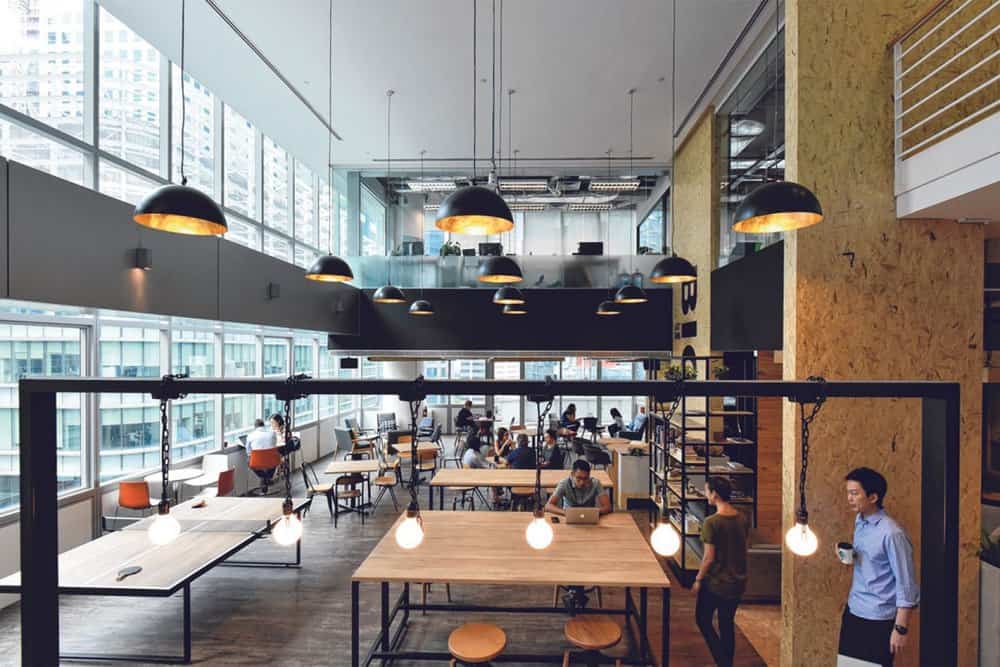
The term activity-based working first appeared in Erik Veldhoen’s 1996 book The Demise of the Office. Today, it’s a workplace design approach that provides a variety of settings tailored to different tasks and working styles.
By offering employees the freedom to choose where and how they work, businesses can experience measurable gains in productivity, efficiency and communication, as well as support employee wellbeing.
The benefits of activity-based working
Activity-based working can bring immense advantages for all kinds of Sydney office-based businesses, regardless of size or industry. When you provide a variety of thoughtfully designed workspaces, the benefits are clear:
Increased employee happiness
Research by the Leesman Index shows that employees with access to different types of work settings report significantly higher levels of satisfaction. When staff can choose between quiet zones, collaboration hubs, and informal breakout areas, they feel more empowered and engaged.
Higher productivity and efficiency
A Steelcase study found that activity-based work environments can improve productivity by up to 20%, as staff are better able to match their environment to the task at hand. Different employees work best in different settings — activity-based working supports this diversity.
Enhanced employee wellbeing
Flexible, varied workspaces encourage more movement and reduce sedentary behaviour. This can contribute to improved physical and mental health, helping reduce stress and absenteeism.
Smarter space utilisation
Activity-based working often means fewer assigned desks and better use of the total office footprint. This can allow you to accommodate growth or downsize the space you lease, without compromising functionality.
The challenges of activity-based working
Like any significant change, activity-based working comes with its challenges:
Staff resistance to change
Shifting to activity-based working requires a cultural change as well as a physical one. Some employees may feel unsettled at first, especially if they are used to having a dedicated desk. Clear communication and involving staff in the design process can help ease this transition.
Upfront investment
An activity-based fit-out can involve reconfiguring the office, updating furniture, and introducing new technologies like room booking systems. While this represents an initial cost, working with an experienced Sydney office design company like Niche Projects ensures a smarter investment that delivers long-term value.
Managing noise and privacy
Without careful planning, open collaboration areas can create noise spillover. That’s why a well-designed activity-based office will incorporate acoustic solutions, phone booths, and private spaces for focused work.
Making activity-based working a success
Working with a professional Sydney office fit-out company is the best way to ensure your activity-based working strategy is implemented effectively. At Niche Projects, we’ve helped businesses across Sydney design and deliver activity-based workspaces that balance flexibility, functionality, and style.
We’ll guide you through:
- Space planning to determine how many and what types of zones you need.
- Design and fit-out, including selecting furniture, partitions, and acoustic solutions.
- Integrating technology that supports flexible working.
- A smooth transition process that engages your staff and helps build support.
If you’re ready to explore activity-based working for your Sydney office, contact Niche Projects for a consultation today.
FAQs about activity-based working
What types of spaces are included in an activity-based office?
Common areas include quiet zones for focused work, collaborative spaces, informal breakout areas, phone booths, meeting rooms, and flexible workstations. The mix will depend on your team’s needs.
Is activity-based working suitable for all businesses?
Most office-based businesses can benefit, but it works best where employees perform a range of tasks that require different types of spaces. We can help assess if this model suits your organisation.
How much does an activity-based office fit-out cost?
Costs vary depending on the size of your space and the complexity of the fit-out. Niche Projects provides tailored quotes based on your specific requirements and budget.
How can I encourage staff to embrace activity-based working?
Communication is key. Involve your team in the planning stages, provide clear information about how the changes will benefit them, and offer training on new systems or technologies.
Does activity-based working really improve productivity?
Yes. Research consistently shows that when employees can choose the right environment for each task, their productivity, satisfaction, and wellbeing improve.