
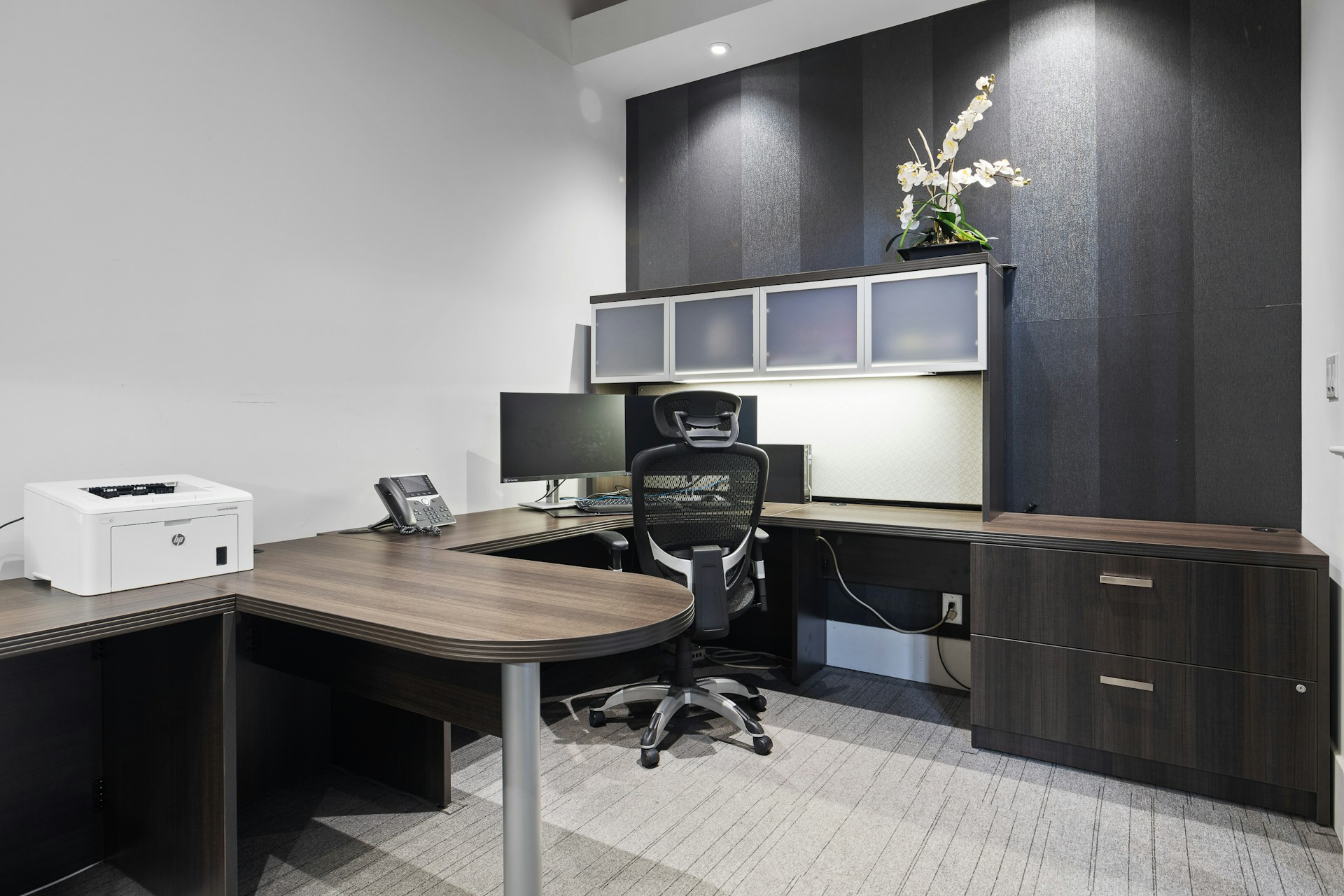
Removing built-in joinery and fixtures before refurbishing or at the end of a lease is one of the most underestimated obligations that commercial tenants face. If you are relocating to a new space, reimagining your working environment, or preparing your current for handover, understanding how to approach office joinery removal saves time, money, and stress.
At Niche Projects, we work closely with tenants across Sydney to deliver practical, efficient, and design-led solutions for office makegood and refurbishment. The right planning and professional support makes the process of removing joinery and fixtures much more streamlined and aligned with your broader office goals.
Book a meeting with our team today to discuss professional removal.
When should you remove joinery and fixtures
Most commercial leases require tenants to return their tenancy to its original condition, which typically includes the removal of built-in elements such as office joinery, office cabinets, office desk joinery, and custom workstations. You may also need to remove office kitchen cabinets or built-in storage if they were installed as part of your fitout.
The timing of office joinery removal depends on several factors:
- Lease obligations: Your makegood clause will outline what needs to be removed before handover.
- End-of-lease planning: Starting early ensures you avoid last-minute rush fees and potential penalties.
- Refurbishment needs: If you are refreshing or modifying the workplace rather than vacating, removing existing joinery can unlock better layout options.
- Compliance and safety: Certain fixtures may need to be removed to meet fire, electrical, or building code requirements when redesigning your space.
If you are unsure what must be removed, a pre-handover inspection or consultation with an office fit out expert can provide clarity and help you avoid unnecessary works.
Seven tips for removing joinery and fixtures
Successful office joinery removal requires careful planning, professional expertise, and attention to detail. Below are seven key tips every tenant should consider.
1. Let the experts handle it
Removing joinery might seem straightforward, but built-in elements are often securely fixed to structural walls, flooring, or services. Engaging professionals experienced in commercial cabinet removal and office fixture removal reduces the risk of damage and ensures the job is completed safely and efficiently.
Specialists understand how to dismantle joinery without harming surrounding surfaces, and they can also dispose of materials responsibly. With Niche Projects, tenants benefit from a team skilled in both removal and reconfiguration, helping support your next stage of refurbishment.
2. Safety first, always
Joinery removal often involves tools, power equipment, and heavy lifting, so safety should be your first priority. Professionals follow proper safety protocols, including isolating power, protecting high-traffic areas, and managing dust and noise.
If your workspace has been customised with extensive office joinery, there may also be concealed wiring, plumbing, or ventilation behind built-ins. Removing these without proper safety measures can create serious hazards or disrupt essential services.
3. Confirm what is yours to remove
Not all fixtures legally belong to the tenant. Before any removal work begins, it is essential to confirm what is considered a tenant addition and what is part of the base building. Your lease agreement, landlord, or property manager can help clarify this.
This step is especially important for items like built-in shelving, reception desks, office desk joinery, and storage units. By identifying what is yours to remove, you avoid disputes and prevent unnecessary work.
4. Protect the building as you go
During office joinery removal, walls, floors, ceilings, and common areas can easily be damaged if not properly protected. Use protective sheeting, temporary coverings, and careful handling procedures to minimise impact.
A good removal team will include patching and repair services to leave the site clean and compliant with your makegood requirements.
5. Plan for patching, repairs, and reinstatement
Once fixtures and joinery are removed, the space rarely looks ready for handover. Screw holes, wall damage, flooring gaps, and paint inconsistencies are normal and must be repaired.
Tenants should plan ahead for patching, painting, and small reinstatement works, especially if office cabinets or office kitchen cabinets have been removed. Integrating these finishing touches into your end-of-lease schedule ensures a seamless, compliant result.
6. Schedule removal around your operations
Joinery removal can generate noise, dust, and disruption, so scheduling is critical, particularly for businesses still occupying the space. Choose times that minimise operational impact, whether that means after-hours works or phased removal in low-traffic zones.
This step becomes even more important when dealing with large or complex pieces of office joinery, which may require extensive dismantling.
7. Use removal as an opportunity to redesign
Removing built-in joinery is not just about meeting lease obligations. It can also be part of a broader strategy to rethink your workplace. As businesses shift towards healthier, more productive environments, many clients use joinery removal as a starting point for an office refresh.
With Niche Projects, tenants can transition seamlessly from office joinery removal to redesign your office, workplace strategy, or full fitout services. This integrated approach ensures your space evolves in line with your people, culture, and operational needs.
Get a quote for your office refurbishment today
Whether you are relocating, refreshing your space, or completing your end-of-lease makegood, Niche Projects can help. Our team specialises in office joinery removal, reconfiguration, and complete fitouts that support healthier, more productive workplaces. If you require a full re-design and refurbishment we’re here to assist.