

If you’re preparing to relocate to a new office space, you may be weighing up between an empty space, or a pre-fitted out office space. The empty space allows you to design your own environment and conduct a fit out in due time, while a pre-fitted office means you can hit the ground running.
Both options come with benefits and downsides. It’s important to fully understand which is a better fit for your business, because making the right (or wrong) choice can have a great impact on your business operations. In this article, we’ve broken down the benefits and the downsides to choosing a pre-fitted office space.
At Niche Projects, we design and build offices for both tenants and landlords. We work closely with our clients to create working environments that boost productivity and promote your brand. Therefore, we see both sides of the fence, and have a fantastic understanding of when pre-fitted offices work well… and when a tailored space is a better fit.
What is a pre-fitted office space?
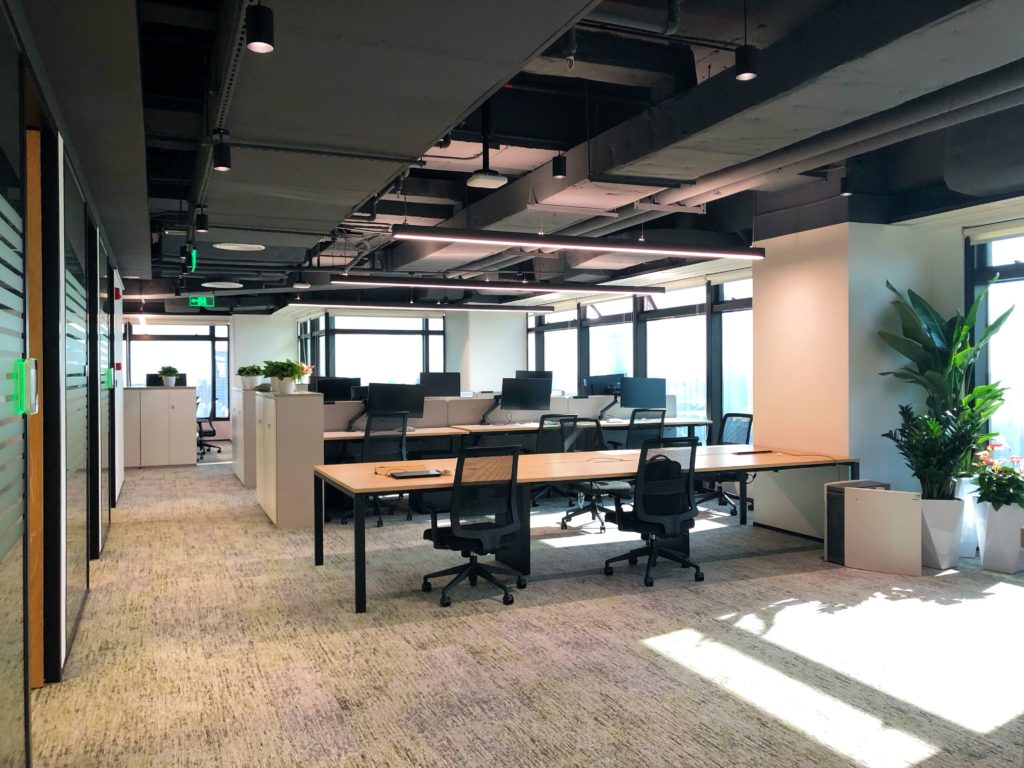
A pre-fitted office space — sometimes referred to as a pre-fitted workplace or “spec fit out” — is an office tenancy that comes with an existing design and layout provided by the landlord. These spaces are typically created to appeal to a wide range of potential tenants and include the essential elements required to run a business: partitions, flooring, lighting, workstations, and meeting areas.
Unlike shell-and-core or warm-shell spaces, where businesses must engage a fitout company to design and build from scratch, a pre-fitted office is move-in ready. The idea is to streamline the leasing process and attract tenants who need to be operational quickly or want to avoid the upfront cost of a bespoke fitout.
How common are these spaces?
Pre-fitted offices are becoming more common across Sydney and other major Australian cities. In particular, landlords of premium and A-grade commercial buildings are increasingly investing in spec fit outs to reduce vacancy periods and appeal to time-pressed or cost-conscious tenants.
These spaces are especially popular with small to mid-sized businesses, start-ups, and companies testing a new location or market. However, even established businesses are starting to view pre-fitted office spaces as a practical interim solution or part of a hybrid office strategy.
The benefits of a pre-fitted office space
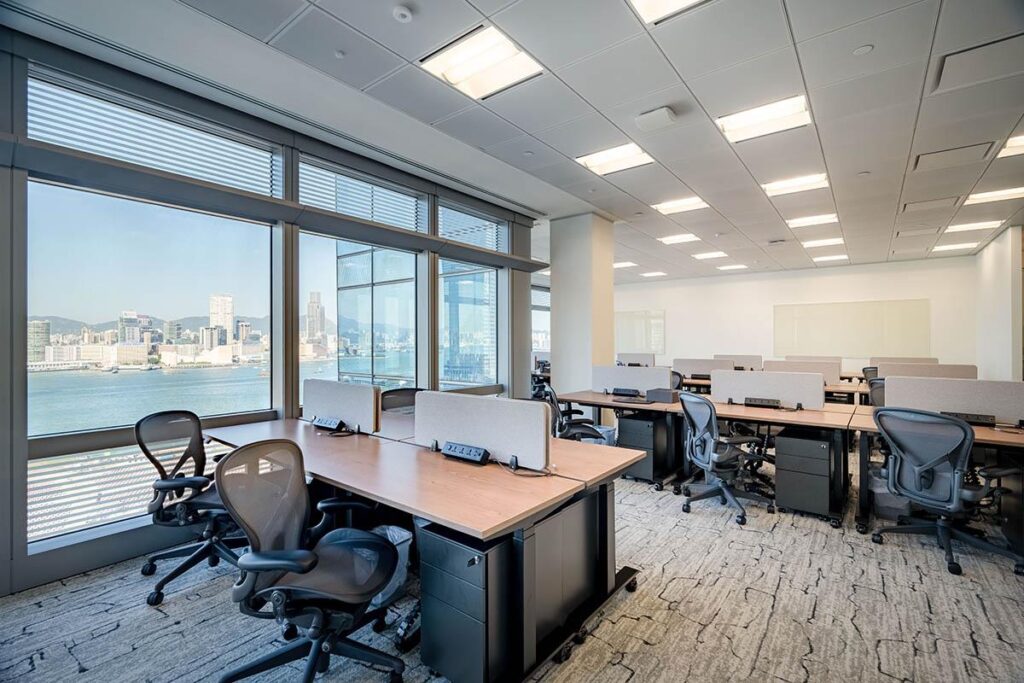
A pre-fitted office comes with a number of advantages for tenants, and of course, for the landlord.
You don’t need to pay for a fit out
Perhaps the most attractive benefit of a pre-fitted office is the cost savings. Fitouts can be expensive — particularly for high-quality, future-focused designs — and not every business has the budget or appetite for that level of capital outlay at the beginning of a lease. With a pre-fitted workplace, the landlord has already covered these costs, and the expense is typically rolled into the rental rate.
You can move in faster
Speed to occupancy is another key advantage. Instead of waiting weeks or months for design, approvals and construction, a pre-fitted office space allows you to get your team in and working almost immediately. This can be critical for businesses with tight timelines, or those transitioning between leases and needing a quick turnaround.
It’s a low-stress move
Coordinating a custom office fitout requires time, resources, and decision-making across everything from space planning to finishes. For some businesses, particularly smaller teams or those without internal project managers, taking on that responsibility can be overwhelming. A pre-fitted office eliminates the need for these complex decisions — the space is already complete and functional.
The downsides of moving into a pre-fitted office space
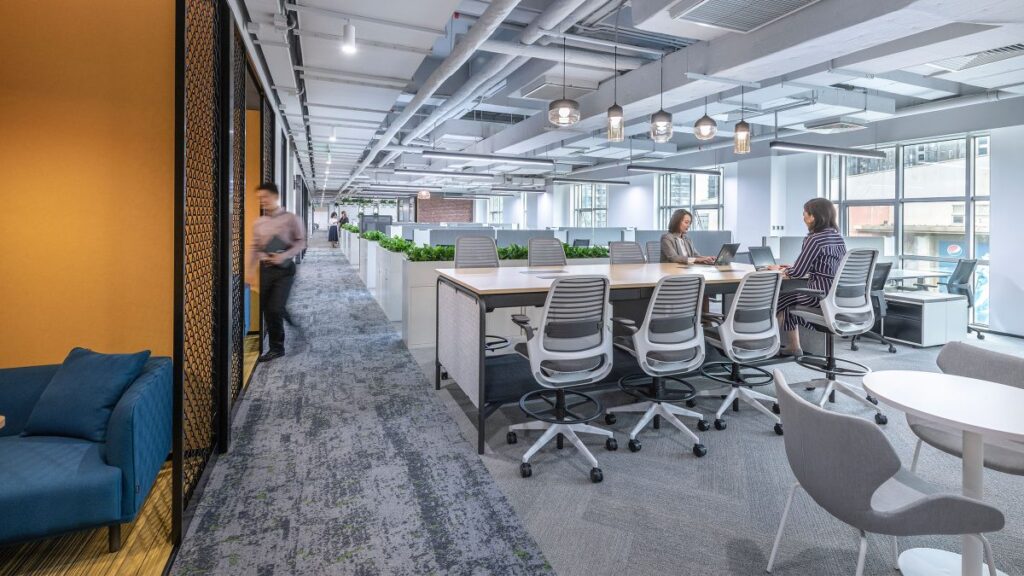
While a space that is already fitted out holds a number of great benefits, there are still downsides to moving into this kind of space.
You don’t get to design your own space
The most obvious downside is the lack of customisation. With a pre-fitted office, what you see is largely what you get. While some landlords may allow minor tweaks, you won’t have the opportunity to create a workspace tailored to your team’s workflow, culture or brand. This can be a missed opportunity to enhance productivity or make a strong impression on clients and visitors.
It might not be a perfect fit for your business
Even though most pre-fitted workplaces are designed to be broadly appealing, they won’t always align with your operational needs. Perhaps you need more meeting rooms, a larger kitchen, different tech infrastructure or more flexible working zones. In some cases, trying to retrofit a pre-fitted office to suit your team can be more costly than starting fresh.
Limited future flexibility
A spec fit out might meet your needs today, but what about six or twelve months from now? Businesses grow, change, and restructure, and a rigid, pre-designed space may not offer the flexibility required over the course of a lease. That could lead to inefficiencies or the need to move again sooner than planned.
Speak to Niche Projects today about your office
A pre-fitted office comes with a number of advantages, especially around cost, speed, and convenience. However, it’s not always the best long-term solution. If your business values a workspace that supports collaboration, brand identity and future growth, a bespoke design could offer far better ROI. If you’re a landlord who wants to pre-fit a space, we can help with that too.
FAQs about pre-fitted offices
Can you customise a pre-fitted office after moving in?
Yes, but there are usually limitations. While minor adjustments like adding branding or rearranging furniture may be allowed, major changes often require landlord approval and may be restricted by lease terms. It’s important to check what’s negotiable before signing.
Are pre-fitted offices suitable for hybrid or remote work models?
They can be, but not always by default. Many pre-fitted spaces are designed with traditional desk layouts in mind. If your team operates on a hybrid schedule, you may need to reconfigure areas to include more collaborative zones or quiet booths.
What’s included in a typical spec fit out?
A standard spec fit out usually includes workstations, meeting rooms, kitchenettes, lighting, flooring, ceilings, and basic cabling. However, the quality and style of these elements can vary greatly between landlords, so always inspect the space carefully.
Do pre-fitted offices offer any environmental or sustainability benefits?
Some do. Landlords increasingly use sustainable materials and energy-efficient systems in fitouts to attract eco-conscious tenants. However, older fitouts may lack these features, so it’s worth asking about environmental certifications like NABERS or Green Star.
How does leasing a pre-fitted office affect rent negotiations?
Rent is often higher for pre-fitted spaces due to the upfront investment by the landlord. However, tenants can sometimes negotiate more favourable terms (e.g. rent-free periods or incentives) if the space has been vacant for a while or if you’re signing a longer lease.