
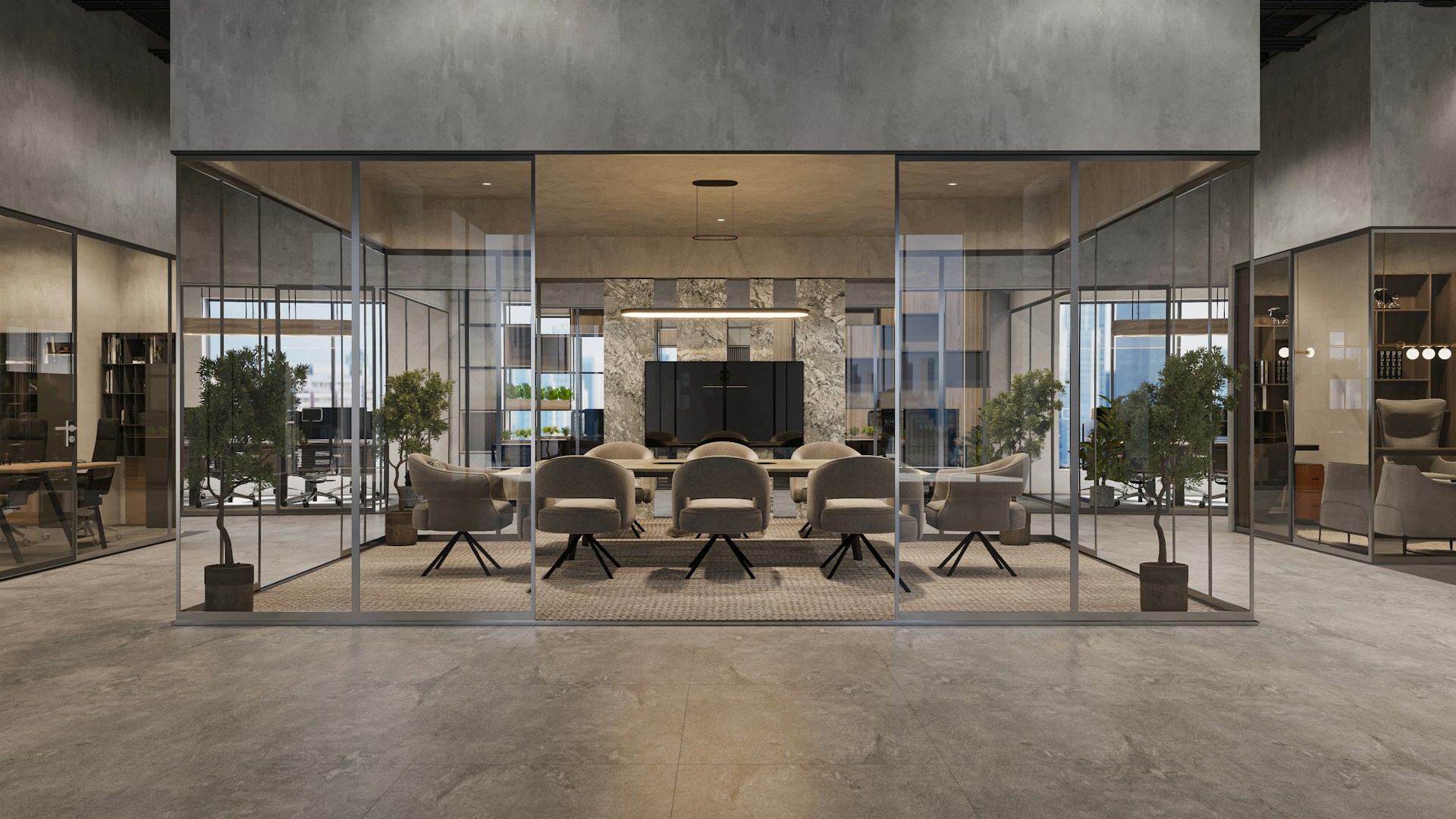
Shifting customer expectations, evolving workplace dynamics, and rapidly changing technology mean traditional approaches to strategy are often no longer enough. Workplace design is a critical tool for organisations which want to remain competitive. This is because high-quality design can have a fantastic long-term strategic impact.
Partnering with a design firm on a long-term basis goes well beyond one-off projects. It creates a continuous, evolving collaboration that supports organisational resilience, efficiency, and growth. When design is coupled with strategy, it leads to a better day-to-day experience for employees, clients, and customers.
At Niche Projects, we work with businesses across Sydney and the rest of Australia on tailored workplace strategy. We know just how valuable a partnership with a design firm is, and how positive this can be on every business’ long-term strategy for success. We deliver better outcomes for businesses and people.
Book a meeting with an office design expert now.
Why design needs to be part of long-term business strategy
Design has evolved far beyond visual execution. Today, it is a strategic capability that shapes how businesses solve problems, respond to change, and engage with customers. By adopting a human-centric approach, design provides insights that traditional data alone cannot capture, highlighting unmet needs and revealing opportunities for growth.
Organisations that integrate design into their strategic planning gain the ability to anticipate challenges and adapt more effectively. This is particularly valuable in volatile markets, where relying solely on historical data or conventional forecasting leaves critical gaps. Long-term design partnerships allow companies to build resilience, ensuring their strategies are grounded in both insight and experience.
How a design partnership creates continuity across your brand and operations
Working with multiple designers on a project-by-project basis often leads to inconsistent messaging, visual identity, and workflows. A long-term design partner, however, develops an intimate understanding of your brand, audience, and operational needs. This familiarity ensures consistency across every touchpoint, from websites and marketing campaigns to internal communication and product design.
Continuity in design also accelerates delivery. Teams no longer need to re-explain brand values or revisit decisions repeatedly, freeing time and energy for higher-value work. By embedding a design partner into ongoing operations, companies can maintain a cohesive identity that reinforces credibility and builds trust with clients and employees alike.
Using design to uncover customer insights and future-facing opportunities
Design thinking is a uniquely effective tool for understanding human behaviour and anticipating future needs. By focusing on the user experience, design teams can identify pain points, unmet expectations, and emerging trends that traditional analytics may overlook. These insights can inform strategy across every level of the organisation, from product development to marketing.
A long-term design partner helps companies explore multiple scenarios before committing resources, reducing risk and increasing confidence in new initiatives. By combining qualitative insights with quantitative data, design-driven strategy allows businesses to innovate with purpose and make decisions that are both customer-focused and commercially sound.
Innovation as an outcome of sustained collaboration
Innovation rarely emerges from one-off projects. It is the product of continuous experimentation, iteration, and reflection. A long-term partnership with a design firm ensures that creativity is embedded into the organisation’s DNA rather than applied sporadically.
Ongoing collaboration enables design teams to identify opportunities for product, service, or process innovation, anticipating changes in market demands and customer expectations. This continuous involvement ensures that businesses can scale efficiently, enter new markets with confidence, and maintain a competitive edge over time.
Designing the business, not just the brand
The value of a design partnership extends beyond external-facing assets. Designers can play a critical role in shaping internal processes, workflows, and employee experiences. By applying the same human-centric thinking internally, design can improve collaboration, streamline operations, and influence organisational culture.
For example, design-led approaches can support hybrid work strategies, optimise office environments, and enhance employee engagement. By integrating design into the business itself, companies create systems and processes that not only improve efficiency but also strengthen the organisation’s long-term performance and adaptability.
Better, faster, and more efficient execution over time
Long-term collaboration reduces the inefficiencies that often accompany project-based design work. With a design partner who understands your brand and internal processes, projects move faster and require fewer revisions. Teams can focus on solving problems rather than re-explaining goals or onboarding new contributors.
This efficiency extends to cross-functional collaboration. Marketing, operations, and product teams benefit from predictable workflows and shared understanding, reducing friction and fostering smoother execution. Over time, these efficiencies translate into cost savings, improved output quality, and a more agile organisation.
A long-term design partner becomes part of your leadership ecosystem
A design firm engaged over the long term evolves beyond a service provider into a strategic advisor. Their insight can inform business decisions, anticipate market trends, and provide guidance on customer experience, technology adoption, and competitive positioning.
Embedding design within leadership and cross-functional teams ensures that multiple perspectives shape decision-making. This collaborative approach reduces silos and encourages innovative thinking, allowing the organisation to respond to challenges with speed and confidence.
The commercial advantages of a long-term design partner
The benefits of sustained design collaboration are measurable and enduring. Companies that maintain long-term partnerships often see higher return on investment, as consistent execution avoids costly missteps and reworks. A cohesive brand identity enhances recognition and trust, attracting the right clients and improving market positioning.
Additionally, organisations that prioritise design can create better experiences for employees, helping attract and retain talent. By aligning business strategy with design-driven insights, companies can achieve both commercial and operational advantages, creating value that extends far beyond the visual aspects of a brand.
Designing for sustained growth
Partnering with a design firm is no longer just a creative decision; it is a strategic investment in the long-term success of an organisation. By embedding design into business strategy, companies gain insights that improve decision-making, foster innovation, streamline operations, and enhance customer and employee experiences.
A long-term design partnership builds resilience, efficiency, and competitive advantage. It allows organisations to navigate uncertainty with confidence, ensuring that every initiative aligns with both current needs and future opportunities. For companies ready to scale with strategy in mind, investing in an enduring relationship with a design partner is a decision that pays dividends for years to come.
Book a meeting with our team to discuss how to integrate design with your long-term strategy.