
When businesses think about productivity and performance, office design isn’t always the first thing that comes to mind. But office design for employee wellness is a key factor in building healthier, happier, and more effective teams. Companies that invest in workplace environments that support wellbeing see improvements in engagement, retention, and overall culture.
At Niche Projects, we know that great design is about so much more than simply aesthetics. It’s about creating spaces that genuinely support the people who use them every day. And when employee wellness is a core design principle, everyone benefits. That’s exactly why we craft workplaces with employees in mind… which leads to exceptional outcomes for the business.
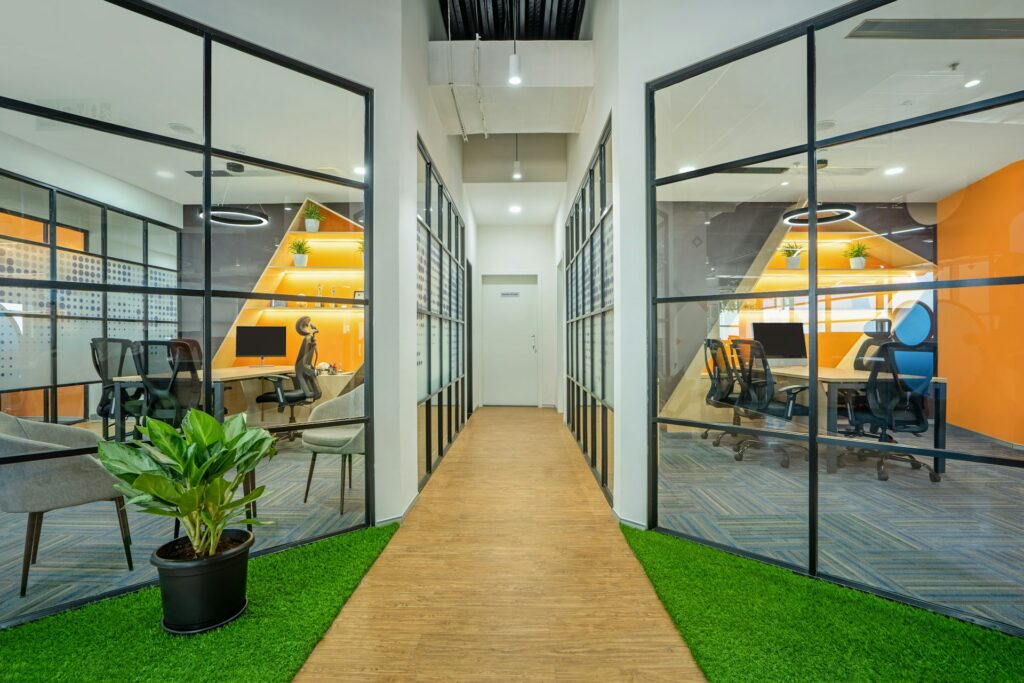
Employee wellbeing is a critical part of workplace design
A healthy workplace isn’t just about having an ergonomic chair or a few pot plants. It’s about creating an environment that supports the physical, mental, and emotional wellbeing of employees throughout the workday. When people feel better at work, they perform better—and businesses are starting to see the value in making wellbeing central to their office design decisions.
Office design for wellbeing takes into account how space impacts stress levels, energy, movement, and connection. Whether it’s through improved air quality, natural light, acoustics, or flexible spaces, the goal is always the same: to help people thrive in their environment.
What is wellness-centric design?
Wellness-centric design is an approach that puts employee wellness at the centre of every decision—from layout and lighting to furniture, acoustics, and materials. This form of office design for employee wellness goes beyond productivity. It’s about shaping environments that actively support the physical, mental, and emotional wellbeing of those who use them daily.
Designing for movement
Encouraging movement throughout the day helps reduce fatigue, improve circulation, and support physical health. Wellness-led offices often include sit-stand desks, informal breakout zones, and layouts that encourage people to walk between different areas. These dynamic spaces help break up long periods of sitting and promote more natural movement patterns.
Bringing in natural elements
Access to natural elements—such as daylight, fresh air, and indoor greenery—can significantly impact mood, concentration, and stress levels. Biophilic design, which incorporates natural textures and materials like timber, stone, and plants, helps reconnect people with nature. In this way, designing an office for employee wellbeing becomes restorative as well as functional.
Managing noise pollution
Noise pollution is one of the most common causes of workplace stress and distraction. Uncontrolled sound—whether from conversations, equipment, or foot traffic—can undermine focus and increase fatigue. Wellness-centric spaces incorporate soundproofing, acoustic panels, noise-buffering materials, and designated quiet areas to ensure employees have the right environment for both collaboration and concentration.
Optimising lighting design
Lighting plays a critical role in energy levels, mood, and sleep regulation. Poor lighting can lead to headaches, eyestrain, and fatigue, while well-planned lighting boosts alertness and comfort. Wellness-focused offices balance natural light with adjustable artificial lighting, using circadian-friendly LEDs and smart controls to adapt to the time of day and specific tasks. This attention to detail supports healthier work routines and a more pleasant atmosphere.
Acoustic and visual comfort
In addition to managing noise, visual clarity also contributes to a wellness-centred space. Overly busy or cluttered environments can be mentally draining. Calm colour palettes, clear lines of sight, and thoughtfully curated interiors reduce overstimulation and create a sense of visual ease. When office design for wellbeing prioritises both sound and sight, it leads to environments that are more balanced, comfortable, and user-friendly.

This is how designing for employee wellness can help your business
The benefits of office design for employee wellness go far beyond employee satisfaction. Businesses are seeing measurable outcomes in areas that directly affect performance and profitability.
Higher engagement and productivity
Employees who feel supported by their environment are more focused, creative, and productive. They’re also more likely to feel motivated and aligned with company goals. A workspace that prioritises wellness allows people to do their best work without burning out.
Reduced absenteeism and turnover
When employees work in an environment that supports their physical and mental health, they’re less likely to take sick days or leave due to stress. Investing in workplace design for wellbeing can lead to lower recruitment costs and higher staff retention.
Stronger workplace culture
A well-designed space that values wellness sends a clear message: people matter here. It fosters a sense of belonging, collaboration, and care, helping to build a more inclusive and connected workplace culture. This, in turn, can improve reputation and attract top talent.

Why is this type of design the future?
The future of work is flexible, people-focused, and purpose-driven. Traditional office layouts are giving way to more thoughtful, responsive environments that support wellbeing in every sense.
The hybrid workforce demands more from spaces
With many teams now splitting their time between home and the office, physical workspaces need to offer something extra. Offices are no longer just a place to work—they need to support collaboration, creativity, and connection. Wellness-centric design helps create spaces that people genuinely want to return to.
Employee expectations are shifting
Employees are more aware than ever of the role that work plays in their health and happiness. Businesses that embrace employee wellness as part of their culture and design choices are more likely to meet these expectations and build stronger employer brands.
The evidence is in
From improved cognitive performance to reduced stress and better physical health, the research consistently shows that design can improve wellbeing. Office design for employee wellness is backed by data and increasingly supported by global standards such as WELL and LEED certifications.
Speak to an office design expert today
At Niche Projects, we specialise in designing workplaces that make people feel good, so they can do their best work. If you’re ready to create a space that supports your team’s wellbeing and reflects your company’s values, we’re here to help.