
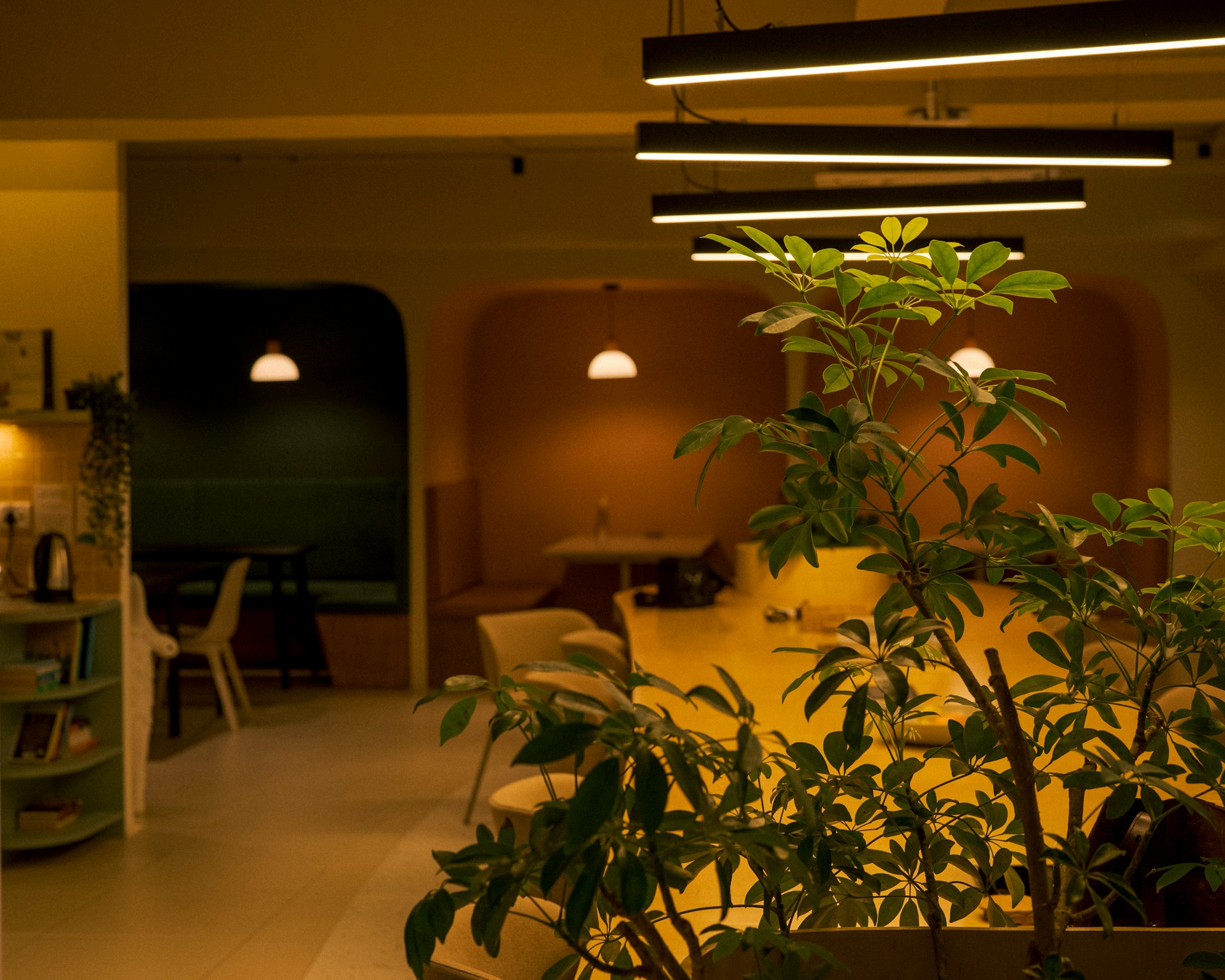
Employee wellbeing is one of the strongest predictors of organisational performance.
As Australian businesses face rising labour costs, persistent talent shortages and increased pressure to compete for skilled workers, more business owners and leaders are rethinking the role of workplace wellness as a core business metric. Doing so can have a profound impact on the effectiveness of a business.
Rather than viewing wellbeing as a soft initiative, organisations are now rightly treating it as a measurable KPI, one that directly influences productivity, retention and long term profitability. This shift has also increased interest in biophilic design, a people centred design approach that reconnects employees with natural elements to improve health and performance.
At Niche Projects, we work with commercial organisations that want to shape office environments supporting happier, healthier and more productive teams. Biophilic design is one of the most effective strategies for achieving this, because it delivers improvements that can be measured and linked to meaningful business outcomes.
Why executives should treat wellness as a performance metric
Senior leaders are increasingly accountable for workplace performance metrics that go beyond financial outcomes. Productivity, retention, absenteeism and employee engagement now form a significant part of executive reporting frameworks. When employees are unwell, disengaged or operating in poor quality environments, all of these KPIs suffer.
Treating wellness as a measurable performance metric allows decision makers to understand, quantify and improve the factors that influence employee health. Studies consistently show that employees who feel physically and mentally supported perform better, are more motivated and stay with their organisations for longer.
This is where biophilic design delivers measurable value. Natural light, airflow, greenery, textures and materials inspired by nature have been shown to improve cognitive performance, reduce stress and elevate mood. For executives seeking reliable ways to improve operational output, investing in the wellness of the workforce is one of the most strategic decisions they can make.
Biophilic design as a strategic tool for workforce optimisation
Modern workplaces are no longer judged solely on square metres and desk capacity. Businesses increasingly want environments that support focus work, collaboration and team wellbeing. As hybrid work models continue to evolve, offices must deliver an experience employees cannot achieve at home.
Biophilic design plays a central role in this shift, because it enhances the quality of the office environment in ways that positively influence behaviour. Natural materials create calmer atmospheres, plant life improves air quality and spaces designed with organic patterns or biophilic forms encourage comfort and creativity. These elements shape how employees interact with their surroundings and with each other.
A workspace that feels healthier and more comfortable leads to better concentration, fewer distractions and improved morale. When applied strategically, biophilic design becomes a workforce optimisation tool that elevates output without creating additional pressure on employees. It supports better decision making, deeper thinking and more satisfying work experiences, all of which contribute to higher performance across teams.
How to measure the cost savings behind improved employee wellbeing
Wellness initiatives often falter because organisations struggle to quantify the return on investment. When approached correctly, the financial case for biophilic design is clear and measurable. Businesses can track improvements across three primary cost areas.
Reduced absenteeism
Absenteeism is one of the most expensive indirect costs for employers. Poor indoor environments, inadequate lighting and low air quality all contribute to headaches, fatigue and decreased immune function. Enhancing the physical environment through biophilic design leads to fewer sick days and more consistent attendance. Over time, these savings accumulate into meaningful financial benefits.
Lower turnover and recruitment costs
Replacing employees is expensive and disruptive. When staff feel supported, valued and energised by their working environment, their commitment to the organisation increases. A biophilic workplace improves job satisfaction and helps employers retain skilled staff, which reduces recruitment costs and protects valuable organisational knowledge.
Increased productivity and performance
High quality environments support higher levels of cognitive function, which increases employee output. Natural light improves alertness and plant life contributes to cleaner air and better concentration. These small but continual improvements multiply across the workforce, leading to noticeable productivity gains. When productivity increases, businesses achieve more with the same resources, which directly contributes to profitability.
How nature inspired spaces strengthen company culture
Culture is shaped by physical experience as much as behavioural expectations. When employees walk into a workplace that feels calm, connected to nature and thoughtfully considered, it sets a positive tone for the day. A space that promotes wellness also signals that leadership values the wellbeing of its people, which strengthens trust and improves the overall employee experience.
Biophilic design encourages social interaction in ways that feel natural and uplifting. Shared spaces with greenery or natural textures create more welcoming environments for collaboration, while quiet zones with soft natural lighting provide supportive areas for deep focus. These choices influence how people use the office, how they connect with colleagues and how they perceive their employer.
In many organisations, the office is a physical expression of company values. A workplace that prioritises wellness sends a strong message that employees matter, which contributes to a more engaged and connected culture.
Aligning your workplace with long term wellness goals
Workplace wellness is not a short term trend. It is an evolving business priority that influences everything from talent attraction to operational performance. As organisations plan future office upgrades or comprehensive workplace strategies, biophilic design should be considered a central component.
Long term wellness goals often include improvements to employee satisfaction, enhanced cognitive performance and a reduction in workplace related stress. Integrating biophilic elements helps meet these goals while also building offices that remain relevant as workforce expectations shift.
This approach ensures that the design investment remains valuable for the lifespan of the workplace. It also positions the organisation as one that cares about future health and wellbeing, which can positively influence branding, recruitment and retention.
As a workplace design and fitout specialist, Niche Projects helps businesses embed biophilic design principles into practical, functional and visually cohesive environments. We create spaces that support individual wellbeing while also enhancing business performance.
Talk to our team today about biophilic design for your workplace
If you want to build a stronger financial case for wellness, biophilic design is one of the most effective pathways. It improves productivity, reduces absenteeism, strengthens culture and aligns your office with the long term expectations of the modern workforce. Our team is here to guide you through the process and ensure your investment delivers long lasting value.