
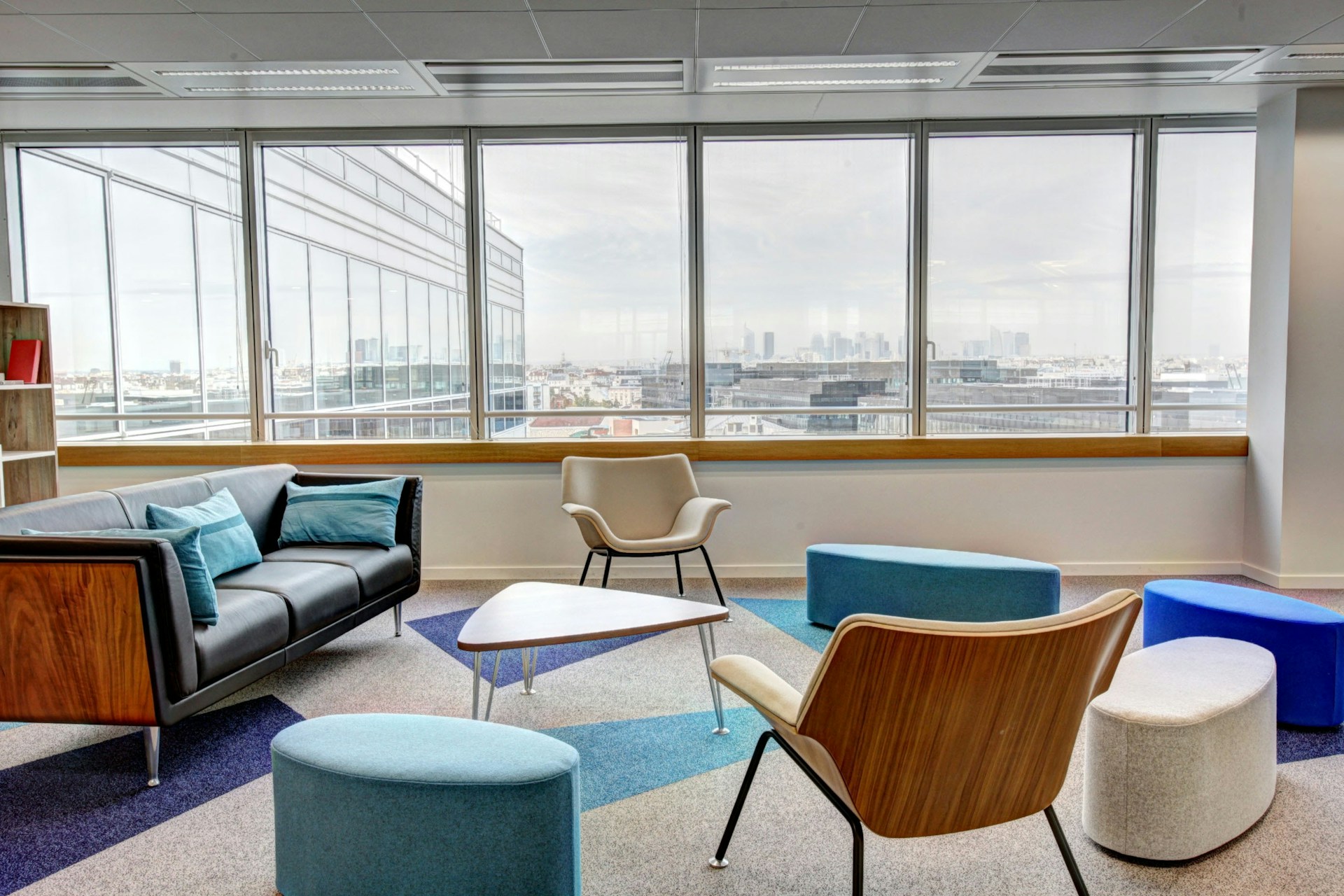
A well-planned fit out budget does far more than cover construction and furniture costs.
When structured correctly, it becomes a strategic tool that supports operational efficiency, workforce wellbeing, and long-term financial performance. For business leaders and property decision-makers, understanding how to align design intent, commercial objectives, and available tax advantages is critical.
At Niche Projects, we approach workplace design and delivery with a strong emphasis on strategy. A fit out is not simply an expense, it is an investment in productivity, brand, and future growth. This article explores how to structure your budget to extract maximum value, minimise risk, and unlock potential tax benefits along the way.
Book a meeting with our team today.
Why budget structure matters in modern office fit outs
An office fit out budget is often discussed in terms of total cost per square metre. While this provides a useful benchmark, it rarely tells the full story. The way a budget is allocated across categories such as base build works, services, technology, furniture, and soft costs has a direct impact on how the space performs over time.
Poorly structured budgets tend to prioritise short-term savings over long-term value. This can lead to compromises in acoustic performance, flexibility, energy efficiency, or employee comfort, all of which affect operational efficiency and staff retention. Conversely, a well-considered commercial fit out budget balances upfront cost with lifecycle value, adaptability, and compliance.
Key components of a strategic fit out budget
To structure a fit out budget effectively, it is important to understand its core components and how they interact.
Base building and services typically include mechanical, electrical, fire, and hydraulic works. These elements are often the most capital-intensive and can significantly influence energy use and maintenance costs over time.
Interior construction covers partitions, ceilings, joinery, and finishes. This is where design quality and brand expression come to life, but also where costs can escalate without clear scope control.
Furniture, fixtures, and equipment should be selected with flexibility and ergonomics in mind. Modular systems often provide better long-term value than bespoke solutions, particularly for growing organisations.
Technology and AV are now central to workplace performance. Allowing sufficient budget for data infrastructure, collaboration tools, and smart building systems supports hybrid work and future upgrades.
Professional fees, approvals, and contingency are frequently underestimated. A realistic allowance here protects the overall budget from disruption and ensures compliance with building regulations and landlord requirements.
Aligning your budget with operational efficiency
Operational efficiency should be a guiding principle when allocating your office fit out budget. This means considering how design decisions affect daily workflows, energy consumption, and future change.
Open yet acoustically balanced layouts reduce the need for excessive meeting rooms while supporting collaboration. Efficient zoning minimises unnecessary circulation space, allowing more usable area within the same footprint. Energy-efficient lighting and HVAC systems reduce operating costs while contributing to sustainability targets.
From a budget perspective, spending slightly more upfront on performance-driven solutions often results in lower operational expenditure. This is where experienced workplace strategists add significant value, ensuring that cost decisions align with how the business actually functions.
Understanding tax considerations and allowances
One of the most overlooked aspects of fit out planning is the potential for tax optimisation. While specific advice should always be sought from a qualified tax professional, understanding the general principles helps inform smarter decisions.
Certain elements of a fit out may qualify for depreciation or capital allowances, depending on how they are classified. Mechanical services, lighting, and some fixed installations may be treated differently from decorative finishes or loose furniture.
When structured correctly, tax benefits for office fit outs can improve cash flow and reduce the effective cost of the project. Early collaboration between your fit out team, accountant, and quantity surveyor ensures that eligible items are identified and documented appropriately.
Planning for funding and cash flow
Office fit out funding is another critical consideration, particularly for growing businesses or organisations undertaking large relocations. Funding options may include internal capital expenditure, lease incentives, or staged payment structures aligned with project milestones.
A clear and transparent budget allows for better forecasting and reduces the risk of cash flow pressure during construction. It also supports informed negotiations with landlords, particularly where contributions or incentives form part of the lease agreement.
By aligning funding strategy with project phasing, businesses can maintain financial stability while delivering a high-quality workplace.
The role of early design and cost planning
One of the most effective ways to control a fit out budget is to engage design and delivery expertise early. Early concept design, paired with cost planning, allows informed decisions before significant commitments are made.
At this stage, different layout options, material selections, and services strategies can be tested against budget constraints. This reduces the likelihood of costly redesigns later and ensures that the final solution delivers both performance and value.
An integrated design and build approach further enhances cost certainty by aligning responsibility and reducing interface risk.
Balancing quality, compliance, and flexibility
A commercial fit out budget must also account for compliance with building codes, accessibility standards, and landlord guidelines. These requirements are non-negotiable and should be addressed early to avoid delays or rework.
Flexibility is equally important. Workplaces are evolving rapidly, and spaces that can adapt to changing team sizes or working patterns provide better long-term returns. Designing with demountable partitions, modular furniture, and scalable services supports this adaptability without excessive future cost.
Workplace design for long-term value
Ultimately, the most successful fit out budget is one that supports both immediate needs and future ambitions. By balancing cost control with strategic investment, businesses can create workplaces that perform well financially, operationally, and culturally. Niche Projects approaches every project with this mindset and we’re ready to assist.
Speak to a commercial design expert today.
FAQs about budgeting for an effective fit out
How much contingency should be included in a fit out budget?
A typical contingency allowance ranges from 5 to 10 per cent, depending on project complexity and the level of design documentation. Higher risk projects may require a larger buffer.
Can a well-planned fit out reduce operating costs?
Yes. Energy-efficient systems, durable materials, and efficient layouts can significantly reduce ongoing costs related to utilities, maintenance, and churn.
When should tax considerations be discussed?
Ideally at the earliest planning stage. Early identification of eligible elements allows the budget to be structured in a way that maximises potential tax benefits.
Is it better to spend more upfront or stage upgrades over time?
This depends on business priorities and funding capacity. However, core infrastructure and services are generally more cost-effective to install upfront rather than retrofitting later.
How does workplace strategy influence budget decisions?
Workplace strategy ensures that spending aligns with how people work, rather than defaulting to generic solutions. This often leads to better utilisation of space and stronger returns on investment.