
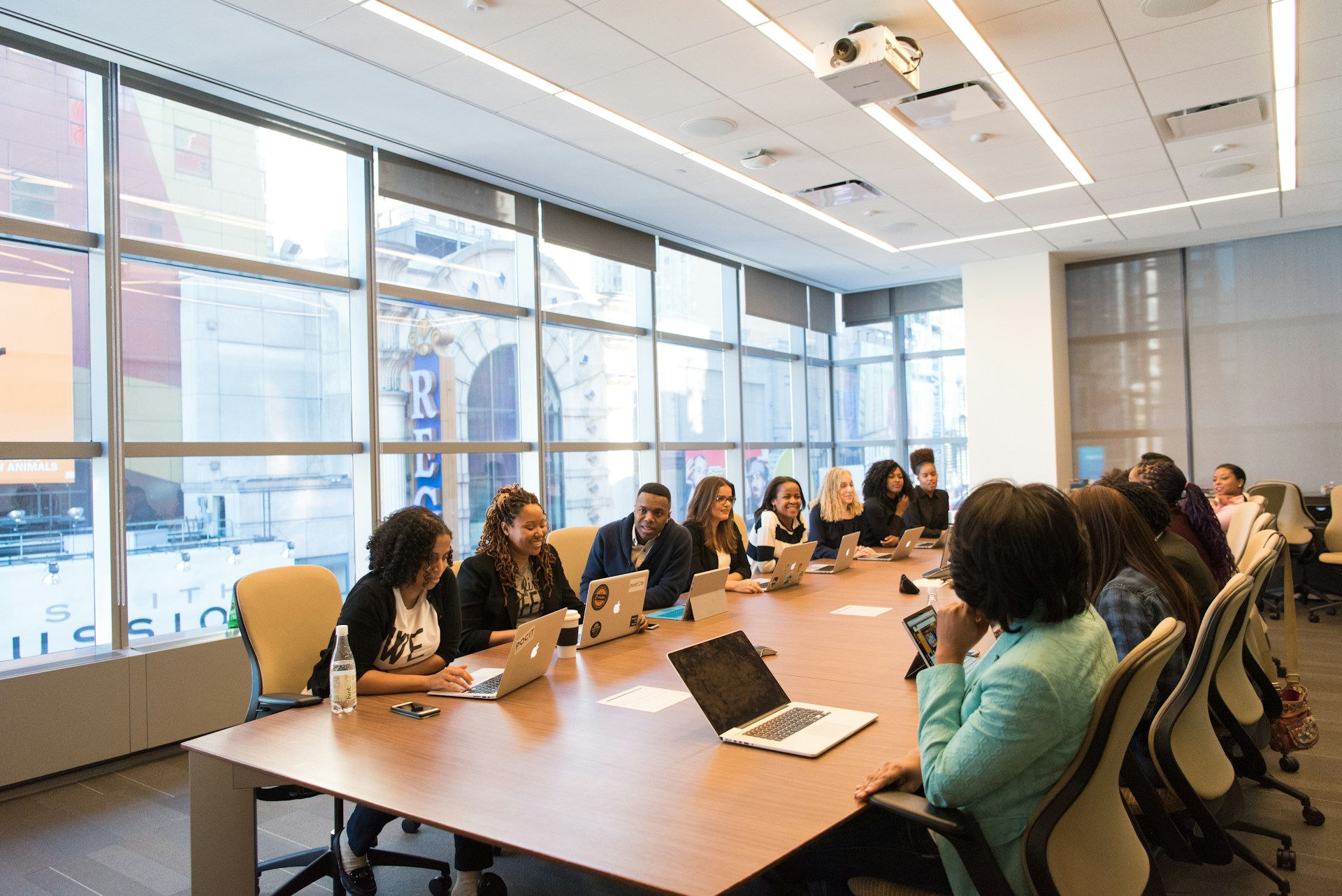
The modern boardroom is no longer a static, formal space reserved solely for executive meetings. These days, it has become a multifunctional hub where strategy is shaped, partnerships are formed and critical decisions are made. Boardroom design must evolve to support flexibility, technology integration and human wellbeing.
At Niche Projects, we view the boardroom as a strategic asset rather than simply a room with a large table. With a global perspective on workplace innovation, we help businesses create spaces that are adaptable, high-performing and aligned with broader workplace strategy. Thoughtful design enables boardrooms to remain both professional and functional.
The changing role of the boardroom
Historically, boardrooms were designed with hierarchy and formality in mind. Heavy furniture, fixed layouts and limited technology characterised these spaces. Today, however, businesses require environments that can host hybrid meetings, collaborative workshops, client presentations and internal training sessions, often within the same day.
This shift has elevated the importance of boardroom design. Organisations need spaces that reflect their brand, support digital communication and respond to varying group sizes and activities. A well-considered approach to designing a boardroom ensures the room remains relevant as working styles and technologies continue to change.
What makes a boardroom truly flexible
Flexibility does not mean compromising on professionalism. Instead, it is about building adaptability into the physical and technological fabric of the space.
Modular furniture
Tables that can be reconfigured, stackable or mobile seating and integrated power access allow the layout to change quickly. A traditional board meeting setup can be transformed into a workshop or presentation format with minimal disruption. This is a cornerstone of effective flexible boardroom design.
Advanced technology integration
Modern boardrooms must support seamless hybrid collaboration. High-quality video conferencing systems, integrated displays and intuitive control interfaces ensure that remote participants are fully engaged. Concealed cabling and built-in infrastructure maintain a clean aesthetic while supporting performance.
Acoustic performance
Clear communication is essential. Acoustic treatments in ceilings, walls and furnishings reduce echo and background noise, ensuring speech intelligibility both in-room and online. Good acoustics elevate the overall quality of boardroom design and improve meeting outcomes.
Lighting control
Layered lighting systems enable users to adjust brightness and mood depending on the activity. From focused task lighting for document review to softer settings for presentations, lighting flexibility supports varied use cases.
Aligning boardroom design with workplace strategy
The boardroom should not be an isolated design exercise. It must connect with the organisation’s broader workplace goals, culture and operational needs.
During the process of designing a boardroom, it is important to understand how the space will be used across departments. Will it host cross-functional workshops? Client negotiations? Leadership town halls? These insights guide decisions around size, layout and technology.
For many organisations, the boardroom also acts as a showcase space. Visitors often form first impressions here. A refined corporate boardroom design communicates professionalism, innovation and attention to detail. Materials, finishes and spatial proportions all contribute to the experience, reinforcing brand identity in a subtle yet powerful way.
The importance of comfort and wellbeing
Long meetings can be mentally and physically demanding. Ergonomic seating, appropriate table heights and access to natural light all influence comfort. Air quality and thermal control further affect how people feel and perform.
High-performing boardroom design considers these factors as part of a holistic approach to workplace wellbeing. When participants feel comfortable and supported, they engage more effectively, leading to better decisions and outcomes.
Balancing formality and adaptability
One of the key challenges in flexible boardroom design is balancing gravitas with versatility. The space must still feel appropriate for high-level decision-making, yet remain open to varied configurations.
This balance can be achieved through a restrained material palette, refined detailing and discreetly integrated technology. Movable elements are designed to blend seamlessly with fixed architectural features, ensuring the room always presents a cohesive and professional appearance.
A well-executed corporate boardroom design ultimately reflects the organisation’s values, supporting collaboration, innovation and clear communication. It becomes a space that empowers leadership and leaves a lasting impression on partners and clients alike.
Creating a future-ready corporate board room fit out
Technology and business needs will continue to evolve. A forward-thinking corporate board room fit out allows for future upgrades without major disruption. This may include accessible service zones, flexible cabling pathways and adaptable furniture systems.
Durability is equally important. Boardrooms often experience high usage and host important external stakeholders. Selecting robust, high-quality materials ensures the space maintains its appearance and performance over time.
At Niche Projects, we combine global best practice with deep technical expertise to deliver boardrooms that are not only visually impressive but strategically effective. By embedding flexibility and performance into every detail, we create environments that support dynamic functionality now and into the future.
Book a consultation with our team today.
FAQs about designing and fitting out a boardroom
What is the first step in designing a boardroom?
The first step in designing a boardroom is understanding how the space will be used, including meeting types, group sizes and technology needs. This informs layout, furniture and infrastructure decisions.
Why is flexible boardroom design important?
Flexible boardroom design allows one space to support multiple functions, from formal meetings to workshops and presentations. This maximises space efficiency and ensures the room remains relevant as needs change.
What does a corporate board room fit out involve?
A corporate board room fit out includes construction, services integration, furniture, technology, acoustic treatments and finishes, all coordinated to deliver a high-performing and cohesive environment.
How does corporate boardroom design influence brand perception?
Thoughtful corporate boardroom design showcases professionalism and attention to detail. As a key client-facing space, it reinforces brand identity and organisational values.
How can boardroom design support hybrid meetings?
Effective boardroom design integrates high-quality audio-visual systems, good acoustics and intuitive controls, ensuring remote and in-person participants can collaborate seamlessly.