

Designing a workplace is no longer about fitting desks into a room or making sure there is enough space for meeting rooms. In today’s competitive business world, the physical environment has become a strategic tool that directly impacts employee wellbeing, collaboration, and ultimately, organisational performance. For businesses in Sydney and beyond, the challenge is creating a high performance workplace that supports people to do their best work every day.
At Niche Projects, we specialise in delivering cutting-edge office design and fitout solutions that transform the way companies operate. By combining design expertise with an understanding of human behaviour, we create workplaces that are healthier, more productive, and aligned with the unique culture of each organisation.
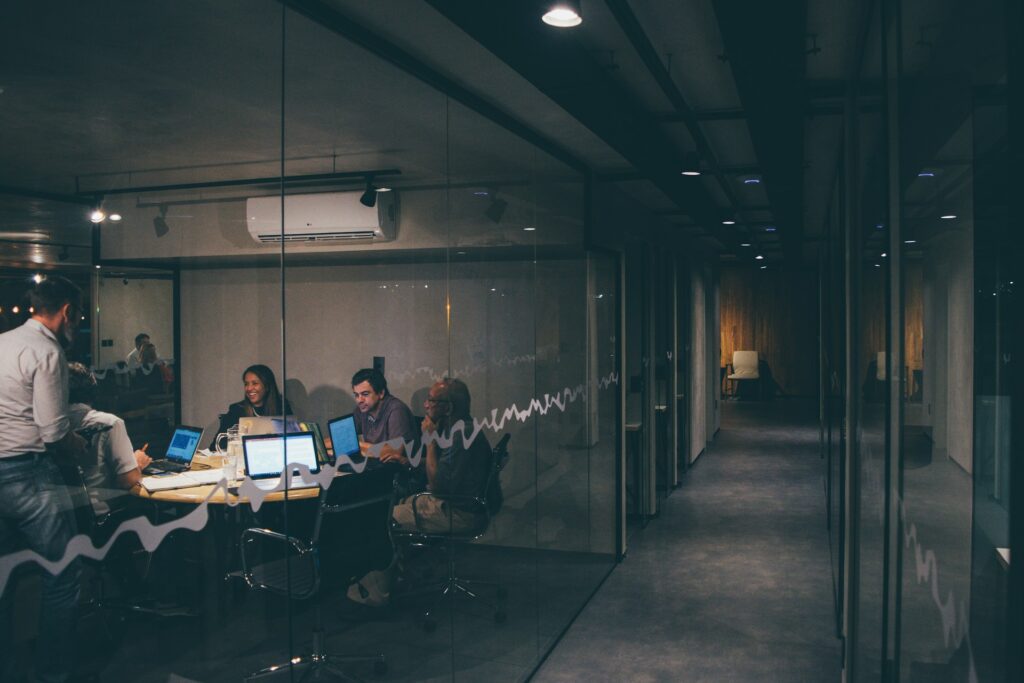
What defines a high-performance workplace?
A high performance workplace is more than just an attractive office. It is an environment carefully designed to enhance productivity, encourage collaboration, and foster employee wellbeing. This means considering how people use the space, what tools and technologies they need, and how the layout supports different modes of working, from focused tasks to team brainstorming sessions.
In practice, a high performance working environment balances flexibility and structure. It provides the infrastructure and tools people need to succeed while also supporting autonomy, creativity, and innovation. In short, it becomes a workplace that not only looks good but actively contributes to business outcomes.
The traits of high-performing teams
While office design plays a major role in enabling performance, the people within a business ultimately determine how successful it can be. High-performing teams are built on more than just technical skills. They thrive on trust, accountability, and a shared sense of purpose. Team members know their individual roles yet remain committed to collective success. They engage in open communication, resolve differences constructively, and are willing to adapt when challenges arise.
Crucially, these teams are not defined by constant harmony but by their ability to manage conflict productively. Rather than avoiding difficult conversations, they tackle them directly, ensuring issues are addressed before they hinder progress. This resilience creates a culture where innovation and collaboration can flourish, driving outcomes that would be difficult to achieve in isolation.
The foundations of high-performance office design
Designing a high performance office requires a holistic approach. At Niche Projects, we focus on five key foundations that underpin every successful workplace design.
Context and purpose
Every business is unique, and so too should be its office design. Understanding the context, from industry requirements to employee demographics, is critical. A tech start-up will have very different needs compared to a legal firm or financial services provider. Purpose is equally important: is the office primarily for collaboration, client-facing meetings, or deep individual work? By defining context and purpose, we can design with intent rather than defaulting to generic layouts.
Spatial configuration and flow
The physical arrangement of a workplace has a direct impact on performance. Zoning spaces for different activities, collaboration, concentration, and social connection, is central to effective design. Good spatial flow ensures employees can transition smoothly between these zones without friction. For example, placing quiet focus areas away from high-traffic spaces like kitchens or breakout areas helps reduce distractions and supports concentration.
Technology as an enabler
In the high performance corporate workplace, technology is more than just a convenience. It is the backbone of modern collaboration and productivity. Integrated AV systems, video conferencing tools, wireless connectivity, and smart booking systems all ensure teams can work seamlessly, whether in person or remotely. Beyond basic infrastructure, technology can also monitor air quality, lighting, and space utilisation to create smarter, healthier workplaces.
Culture, rituals, and events
An office is not just a physical space, it is also the cultural hub of a business. Designing for culture means creating spaces that support the rituals and routines that shape organisational life. This might mean areas for informal catch-ups, wellness zones for relaxation, or multi-purpose spaces for company events. By aligning the physical design with cultural needs, businesses can strengthen engagement and a sense of belonging.
Education and evolution
No office should remain static. As ways of working evolve, so too should the workplace. Education plays a key role here, employees need to understand how to use the space effectively, whether that means adopting hot-desking protocols or embracing new collaboration technologies. A mindset of continual evolution ensures the workplace adapts as teams and business needs change.
The psychology of high-performance environments
A high performance working environment is not just about physical features, it also taps into the psychology of how people thrive. Research consistently shows that factors like natural light, air quality, acoustic comfort, and access to green spaces can significantly impact mood, focus, and overall wellbeing.
Equally, choice and autonomy matter. When employees can choose where and how to work depending on the task, they feel more in control and engaged. Offices that provide a mix of open collaboration zones, quiet rooms, and social areas create a more empowering experience that drives performance.
Importantly, psychological safety must also be considered. This involves creating an environment where employees feel comfortable sharing ideas, asking questions, and taking risks without fear of judgement. Office design can play a surprisingly powerful role here by encouraging transparency, supporting teamwork, and fostering a sense of community.
Building and sustaining team performance
Creating a high-performing team is not a one-off achievement; it requires consistent investment in people and processes. Clear goals, transparent communication, and ongoing feedback provide the structure, while emotional intelligence and mutual trust build the foundation for long-term success. Leaders play a critical role here, setting expectations, modelling behaviours, and empowering their people to take ownership of outcomes.
Sustaining performance also depends on alignment with broader business objectives. When employees see how their work contributes to company goals, motivation and engagement naturally increase. Regular reflection and recalibration ensure that teams remain focused, agile, and prepared for future demands. With the right balance of structure, culture, and leadership support, businesses can nurture teams that consistently deliver above expectations.
Critical roles within high-performance teams
Behind every high-performing team are individuals whose strengths and roles complement one another. Some excel in driving tasks forward and meeting deadlines, while others contribute creativity, problem-solving, or relationship-building. Recognising and balancing these roles ensures that no single responsibility becomes a bottleneck and that the team operates cohesively.
For example, you might have detail-focused team members ensuring quality standards, alongside big-picture thinkers who shape direction. Others may be skilled at coordinating collaboration or bringing in new ideas from external networks. When leaders intentionally foster this mix of roles, they create teams that are resilient, adaptable, and equipped to tackle complex challenges.
Measuring success: is your office delivering performance?
Investing in a high performance office is only worthwhile if it delivers results. But how can businesses measure whether their workplace is truly supporting high performance?
Some key indicators include:
- Employee satisfaction and engagement: Surveys can reveal whether staff feel supported by their environment.
- Productivity metrics: Monitoring workflow, project completion rates, or client outcomes can highlight the impact of office design.
- Space utilisation: Data on how often spaces are used can show whether the design is meeting real needs.
- Staff retention: A well-designed office can contribute to lower turnover and improved employee loyalty.
- Wellbeing indicators: Absenteeism, stress levels, and even physical health outcomes can be tied to workplace design quality.
At Niche Projects, we work with businesses to establish meaningful benchmarks and measure success, ensuring the workplace remains a true performance asset.
Book a design consultation today
Designing a high performance corporate workplace requires more than aesthetics, it demands a deep understanding of people, business needs, and the role of technology and culture. At Niche Projects, we bring all of these elements together to create workplaces that are not only fit for today but adaptable for the future.