
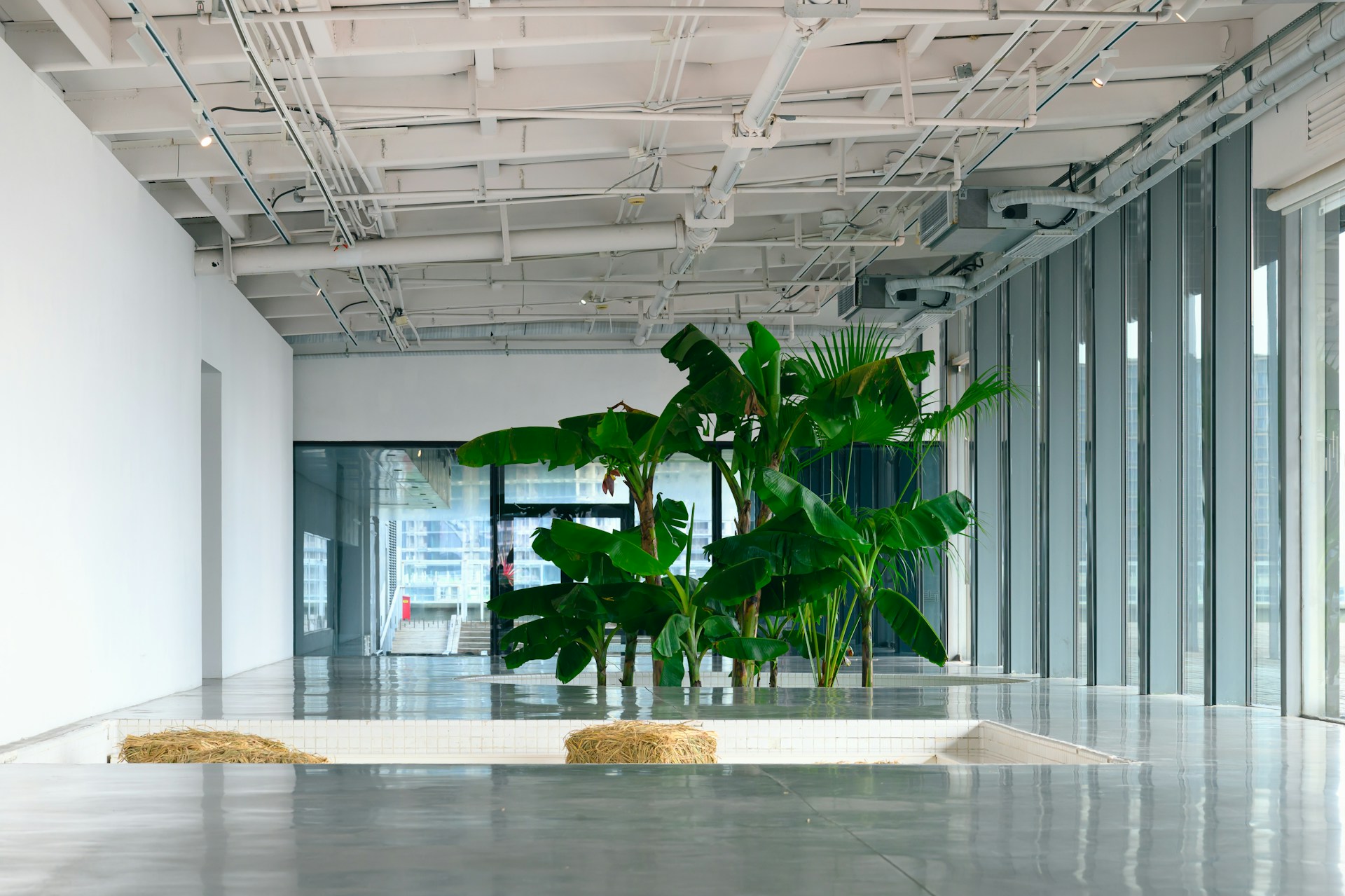
Creating a healthier, greener and more engaging office is essential for every business.
A workplace that prioritises these improvements is a measurable business advantage. Environmental workplace design looks at every detail of the built environment, from the air we breathe to the furniture we sit on, to ensure the workplace actively supports employee wellbeing and long-term sustainability.
At Niche Projects, we specialise in workplace design that not only looks exceptional, but improves the way people work. By integrating the core principles of environmental workplace design into our office fitouts, we help businesses build spaces that operate efficiently, reduce waste and create healthier habits throughout their organisation.
Speak to our team today about creating a greener workplace.
Understanding environmental office design
Environmental workplace design is about creating spaces that enhance human health and reduce environmental impact. It combines architecture, interior design, sustainability principles and behavioural science to create workplaces that actively support the people who use them. This includes selecting low-toxicity materials, improving indoor air quality, maximising daylight, choosing efficient building systems and integrating greener practices into everyday operations.
Designing with sustainability as the baseline
Sustainable office design goes beyond ticking compliance boxes. It considers how every product, system and material affects the environment throughout its lifecycle. From recycled or certified timber to energy-efficient lighting and water-saving fixtures, long-term sustainability is embedded into every decision.
Creating a sustainable office environment for real people
Great workplace design must ultimately improve the human experience. This means spaces that help people feel good physically and mentally, encourage collaboration, give access to quiet work zones and offer flexible layouts that evolve as business needs change.
Why is truly green design such an asset to modern businesses?
Competition for talent, the rise of hybrid working and global demands for sustainability all make environmental workplace design increasingly valuable. Businesses are now discovering that the office itself is a strategic asset.
Improved productivity and wellbeing
Research continues to show that light, air and green elements can reduce fatigue and increase focus. Employees in environmentally conscious spaces report lower stress levels and a stronger sense of connection to their workplace.
A stronger employer brand
A green office design signals that a company values its people and its social responsibility. For many prospective employees – especially younger generations – sustainability in the office is a deciding factor when choosing where to work.
Cost efficiency over time
Energy-efficient systems, waste reduction and longer-lasting materials reduce operational costs. Environmental workplace design is an investment, but one that pays consistent returns through reduced energy bills and extended lifecycle performance.
Breaking down the science: light, air, biophilia
For any biophilic workplace, three scientific foundations consistently deliver measurable benefits.
Natural light
Maximising daylight reduces the need for artificial lighting and helps regulate circadian rhythms, supporting better sleep, mood and alertness. Smart layout planning, glass partitions and reflective surfaces can all help natural light travel deeper into the workspace.
Indoor air quality
Ventilation, low-VOC paints and furnishings, and air-purifying plant species all contribute to healthier breathing environments. Cleaner air means fewer sick days, improved cognitive function and better long-term health outcomes.
Biophilic office design
Biophilia acknowledges our innate human connection with nature. By incorporating natural textures, living plants, organic shapes and views outside, workplaces become more calming, creative and emotionally rewarding. Biophilic office design is a key component of green office design because it directly affects how employees feel and perform every day.
As we continue to push for more sustainable office environments, these principles guide us toward workplaces that are deeply human in design, not simply functional.
Book a meeting with our team today
Environmental workplace design is transforming how businesses operate – and those who act now gain a lasting advantage. If your organisation is ready to explore a more sustainable, intelligent and people-centred office fitout, our team at Niche Projects is here to guide every step.
We create cutting-edge workplaces across Sydney and beyond, grounded in exceptional design, sustainability and a commitment to improving the way your people work. Contact us today to book a consultation and begin shaping a workplace that truly works for the planet and your team.
FAQs about environmental workplace design
Who has more environmental responsibility, tenant or landlord?
Both share responsibility. Landlords are typically accountable for the base building services such as HVAC systems, windows, lighting infrastructure and building performance. Tenants influence the fitout and everyday operational choices like energy-efficient technology, recycling programs and sustainable furniture selections. The highest standards are reached when both collaborate early in the design process.
What are the 7 components of a green office building?
While different frameworks exist, most include these seven core elements:
- Energy efficiency
- Water conservation
- Indoor air quality
- Responsible material selection
- Waste reduction
- Occupant health and wellbeing
- Efficient use of space and resources.
Together, they create a workplace design approach focused on long-term sustainability and human comfort.
What is biophilic office design?
Biophilic office design brings the natural world indoors to support wellbeing and creativity. Through plants, natural materials, daylight access, and organic forms, it strengthens connection to nature. It is central to environmental workplace design because it improves productivity, reduces stress and fosters a more engaging working atmosphere.
What is NABERS?
NABERS (National Australian Built Environment Rating System) measures a building’s environmental performance, particularly energy and water usage, waste management and indoor environment quality. Higher NABERS ratings reflect better efficiency and sustainability outcomes, supporting cost savings and ESG objectives.