
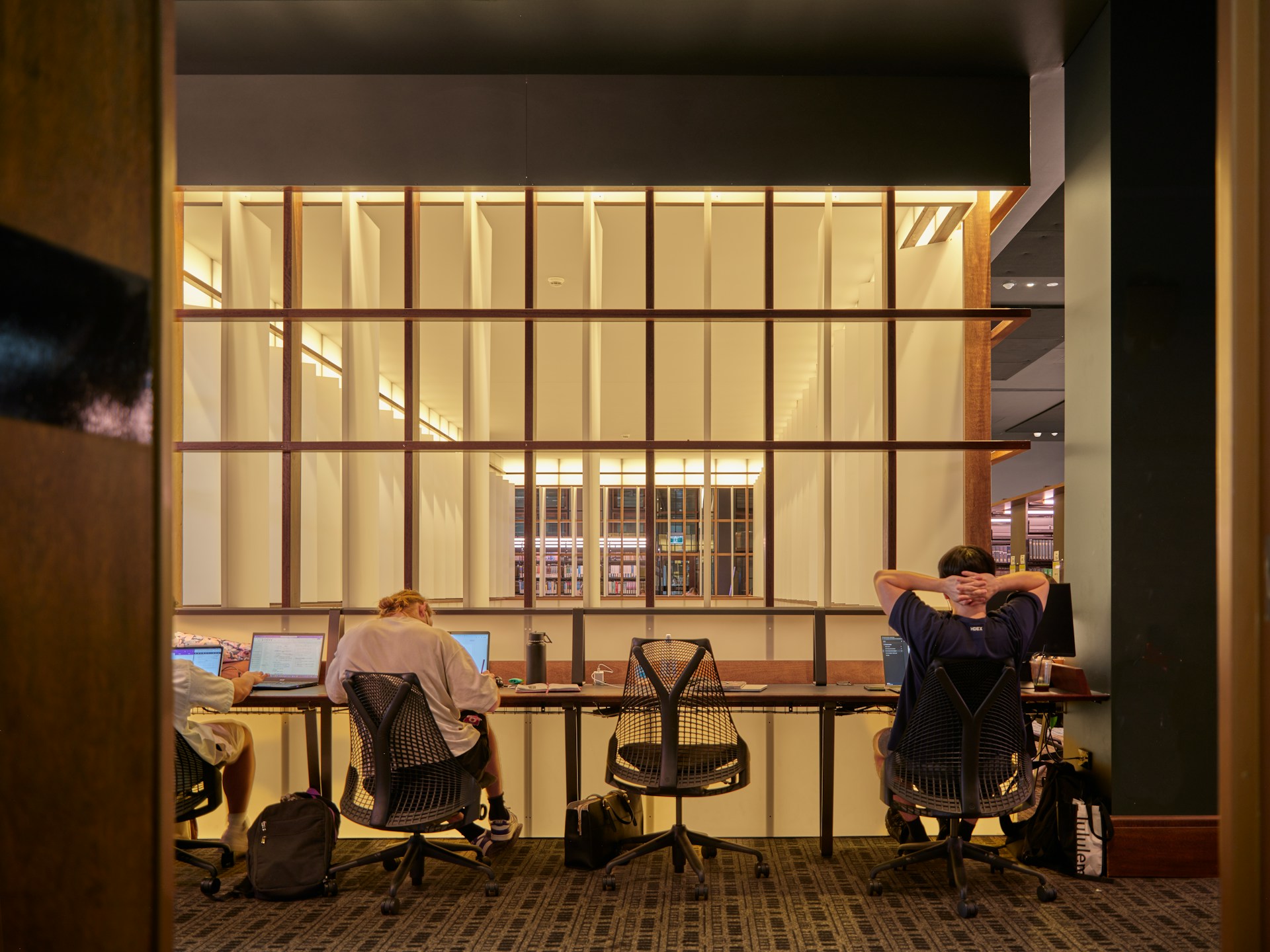
The modern office is much more than simply a place to work. It should be a reflection of your company’s culture, priorities, and ambitions. The most successful organisations recognise that thoughtful, strategic design can transform how people interact, perform, and feel in their workspace, leading to exceptional outcomes for people and the business.
At Niche Projects, we take a holistic approach to office design, integrating functionality, wellbeing, and brand identity into every project. By aligning your workplace with your broader business goals, we help you unlock the measurable benefits that come from a truly strategic office design.
Speak to our team today about your workplace.
What is strategic design in the workplace?
Strategic design is about creating spaces with intention. Rather than focusing solely on aesthetics, it combines design thinking with business strategy to deliver environments that support how your teams work, communicate, and grow.
In an office context, strategic design means understanding the relationship between people, processes, and space. It begins with analysing how your business operates, including its workflows, challenges, and future plans, and using that insight to craft a space that enhances productivity and engagement.
A workplace strategy forms the foundation of this approach. It looks beyond desks and walls, identifying how your environment can drive better outcomes. When design decisions are guided by strategy, every square metre of your office contributes to performance, wellbeing, and long-term growth.
Why a strategic approach to office design matters
Businesses often underestimate how deeply their surroundings affect their people. Poor layout, inadequate lighting, or limited breakout space can all hinder collaboration and creativity. Conversely, a well-planned strategic workplace design encourages focus, connection, and energy.
Strategic design matters because it aligns your workspace with your business objectives. Whether you’re aiming to strengthen collaboration, attract top talent, or improve efficiency, a thoughtful office design strategy ensures your physical environment actively supports those goals.
When your workplace reflects your brand values and culture, employees feel more connected and motivated. This sense of belonging directly influences retention and performance, helping you achieve measurable results that go far beyond visual appeal.
The key principles of a successful office design strategy
Creating a high-performing office environment requires more than a quick renovation or furniture upgrade. It demands a clear and informed strategy. At Niche Projects, we focus on four key principles that underpin every successful office design strategy.
1. Data-driven planning
We begin by analysing how your teams use their current space. Understanding occupancy patterns, workflow bottlenecks, and employee feedback helps us design solutions grounded in real data. This ensures that every decision—from layout to lighting—has a measurable purpose.
2. Wellbeing and functionality
Employee wellbeing is essential to productivity. A strategic office design includes ergonomic workstations, access to natural light, good air quality, and designated zones for focus and rest. When people feel supported physically and mentally, their performance improves.
3. Flexibility and adaptability
Today’s workplaces must be ready for change. Designing flexible spaces that accommodate hybrid work, collaboration, and private concentration ensures your investment remains relevant as your business evolves.
4. Brand alignment and aesthetics
Strategic design goes beyond efficiency—it communicates who you are. Colours, materials, and spatial layouts should reinforce your company’s identity. When employees and clients experience a space that embodies your values, it strengthens brand loyalty and trust.
How strategic design drives productivity and performance
A strong workplace strategy directly influences how effectively your teams perform. Research consistently shows that design decisions impact focus, engagement, and collaboration.
For instance, offices that incorporate natural elements—such as plants, sunlight, and organic textures—tend to see higher levels of concentration and lower stress. Dedicated collaboration areas foster creativity, while quiet zones allow deep work. These small but strategic design decisions add up to significant gains in productivity.
Technology also plays a role. Integrating digital tools like smart booking systems, acoustic solutions, and intuitive lighting controls reduces friction in daily workflows. When technology supports rather than distracts, teams can work more efficiently and with greater satisfaction.
Ultimately, strategic workplace design helps businesses build environments that work smarter, not harder. It’s about creating a space where every detail—from seating arrangements to acoustics—contributes to optimal performance.
The link between workplace strategy and long-term ROI
While the immediate benefits of a refreshed office are easy to see, the long-term advantages of strategic design are even more compelling. A workspace that is efficient, adaptable, and employee-centred offers substantial return on investment (ROI).
A clear workplace strategy allows you to use space more effectively, reducing unnecessary square footage and lowering operational costs. Energy-efficient systems and sustainable materials contribute to long-term savings, while happier, healthier employees mean fewer absences and lower turnover.
Moreover, an environment that embodies your brand identity makes a lasting impression on clients and partners. This strengthens relationships and can even support business development and retention—valuable forms of ROI that extend beyond financial metrics.
Implementing a strategic workplace design for your business
Transforming your office through strategic workplace design starts with understanding your goals. The process doesn’t have to be complex, but it does need to be intentional.
Step 1: Conduct a workplace audit
Evaluate how your current space performs. Look for inefficiencies, unused areas, or challenges that affect productivity.
Step 2: Define objectives and success metrics
Identify what success looks like. Whether it’s improving collaboration, increasing flexibility, or enhancing wellbeing, set measurable goals for your office design strategy.
Step 3: Engage a professional design partner
Working with an experienced partner like Niche Projects ensures that your strategy is backed by technical expertise, creativity, and commercial insight. Our team translates business goals into spatial solutions that work.
Step 4: Monitor and adapt
Even the best-designed spaces evolve over time. Continual assessment helps ensure your office remains aligned with changing needs and technologies.
By following these steps, businesses can create dynamic environments that not only look impressive but also deliver measurable results across productivity, culture, and performance.
Book a workplace strategy consultation with Niche Projects
A well-designed office is not just a space, it’s a business asset. At Niche Projects, we combine creativity, research, and practical insight to deliver strategic design solutions that elevate productivity and wellbeing. Whether you’re reimagining your current office or planning a relocation, our team can help you develop a tailored office design strategy that supports your goals today and into the future.
Book a workplace strategy consultation with our team today.
FAQs about strategic workplace design for modern offices
What is the goal of strategic design in an office?
The goal is to align your physical environment with your business objectives. It ensures every element of your workspace—layout, lighting, acoustics, and amenities—supports how your teams work best.
How does workplace strategy improve productivity?
By designing spaces that reduce friction and support different working styles, employees can focus better, collaborate more effectively, and feel more motivated.
What are the first steps in developing a strategic office design?
Begin with a workplace audit to understand current challenges and opportunities. From there, set clear objectives and engage a design team that specialises in strategic, data-driven planning.
Is strategic workplace design only for large companies?
Not at all. Small and medium businesses benefit just as much from intentional design. A thoughtful layout and efficient use of space can significantly enhance performance, regardless of company size.