
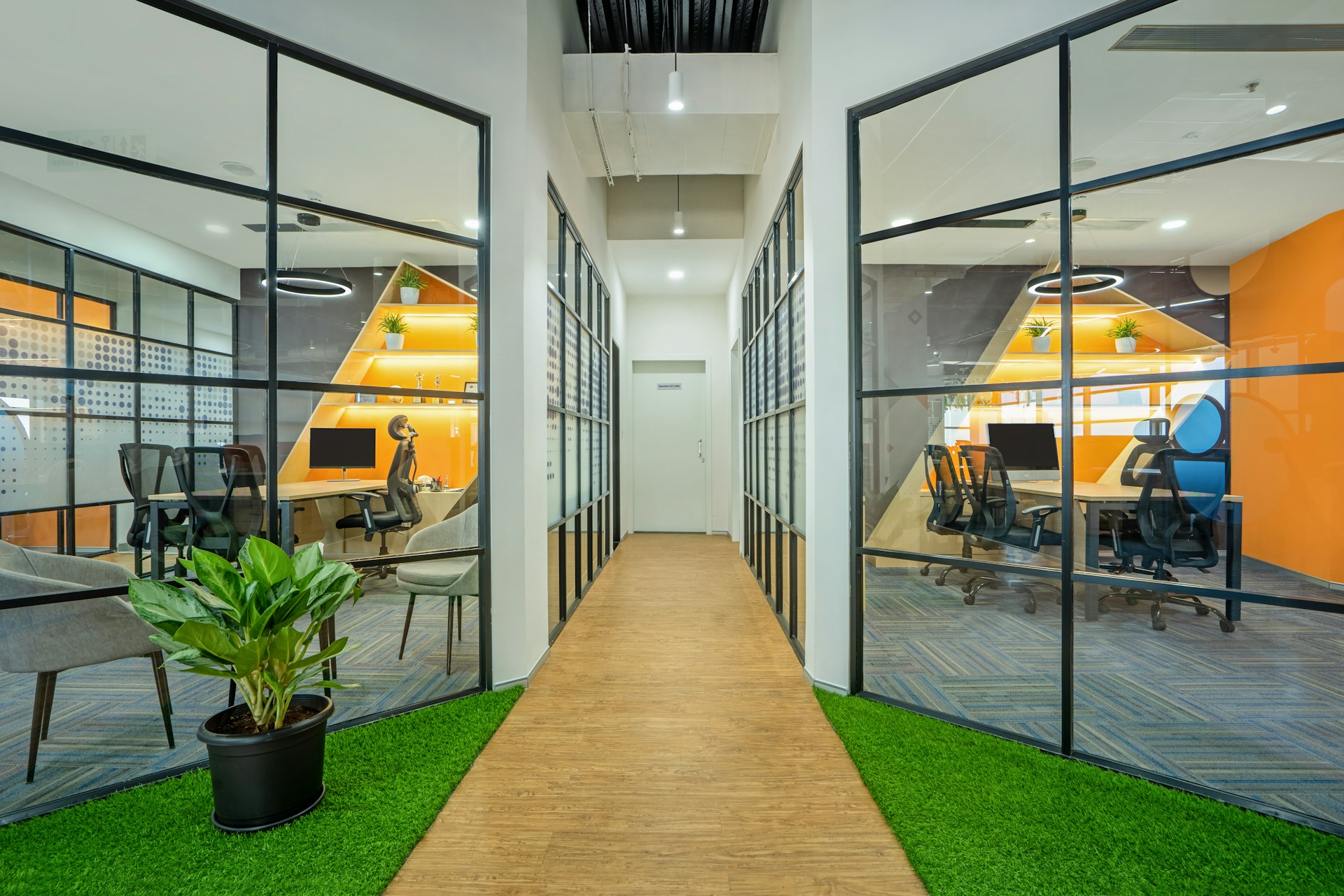
Your office will inevitably have a direct impact on productivity, staff satisfaction, and operational costs. Whether that’s a positive or negative impact is entirely up to you and your design team. An inefficient office design may seem like a minor issue at first, but the long-term consequences can be significant.
At Niche Projects, we specialise in creating office environments that combine style, functionality, and efficiency. Our goal is to help Sydney businesses make the most of their space, ensuring that every square metre contributes to both employee wellbeing and the bottom line. We’re here to ensure your office is truly working for your organisation and your people.
Book a meeting with our team today.
What does inefficient space look like?
Inefficient office space is often easy to recognise once you know what to look for. Some common indicators include:
- Overcrowded workstations that restrict movement and collaboration
- Underutilised areas, such as unused corners, oversized meeting rooms, or poorly planned storage spaces
- Long pathways or obstructed circulation routes that slow workflow
- Lack of natural light or poor ventilation, creating uncomfortable environments
- Inflexible layouts that cannot easily adapt to changing team sizes or work styles
While these issues may appear minor individually, they collectively create a cost of wasted space that affects productivity and increases operational expenditure. Employees may feel constrained or distracted, and the organisation may be paying for more square metres than it truly needs.
How can an inefficient use of space be identified?
Identifying inefficient office layouts requires a combination of observation, analysis, and data. Key methods include:
- Space utilisation audits: Track how frequently areas of your office are used. This can reveal underused meeting rooms, breakout spaces, or workstations.
- Employee feedback: Staff insights can highlight problem areas that may not be obvious in a floor plan. Employees often understand firsthand where inefficiencies affect workflow.
- Workflow analysis: Assess how employees move through the space and how information or tasks flow. Inefficient layouts often result in bottlenecks or duplicated effort.
- Technology and sensor data: Modern tools can monitor occupancy rates and usage patterns in real-time, providing a clear picture of space efficiency.
Once you have a clear understanding of how your space is used—or underused—you can begin to address the issues, reduce wasted costs, and improve overall office functionality.
How to ensure you’re maximising your space
Maximising office space requires a deliberate approach that balances efficiency, comfort, and flexibility. Niche Projects focuses on solutions that deliver tangible results, helping businesses create environments that support productivity while reducing the cost of wasted space.
Work with a seasoned design professional
Partnering with experienced office designers ensures your space is optimised from the outset. Professionals can identify inefficiencies, propose creative solutions, and integrate ergonomics, circulation, and storage into a cohesive design plan. A seasoned design partner also ensures that future growth and changes in work patterns are considered, so your office remains functional for years to come.
Don’t neglect workplace strategy
Efficient space isn’t just about furniture placement—it’s about office design for efficiency. Developing a workplace strategy aligns your office layout with business goals, team workflows, and employee needs. By strategically planning collaborative zones, private spaces, and circulation areas, you can boost productivity and reduce unnecessary square metres. A strong strategy ensures that every element of the office contributes to the organisation’s objectives.
Incorporate flexibility and multi-purpose spaces
One of the hallmarks of a modern, efficient office is flexibility. Spaces that serve multiple purposes—such as a meeting area that doubles as a training zone—allow businesses to adapt to changing team sizes or work styles without costly renovations. Movable partitions, modular furniture, and adaptable layouts ensure that space is used effectively at all times.
Prioritise employee wellbeing
Even the most efficient office can fail if it does not consider human factors. Natural light, good ventilation, acoustic privacy, and ergonomic workstations all contribute to a productive, comfortable environment. Investing in these elements reduces absenteeism, improves staff morale, and ensures your space is working for your people as much as it is for your business.
Leverage technology and data
Modern office design integrates technology to optimise space and monitor usage. From occupancy sensors to room-booking software, data-driven insights help ensure that meeting rooms, workstations, and collaborative areas are used effectively. Tracking this information over time allows you to continually refine your layout, eliminating inefficiencies and maximising value.
Book a consultation with Niche today
An inefficient office design can cost more than just money. It can hinder productivity, impact employee wellbeing, and limit your business growth. At Niche Projects, our expert team specialises in creating tailored office environments that combine efficiency, aesthetics, and strategic functionality.