
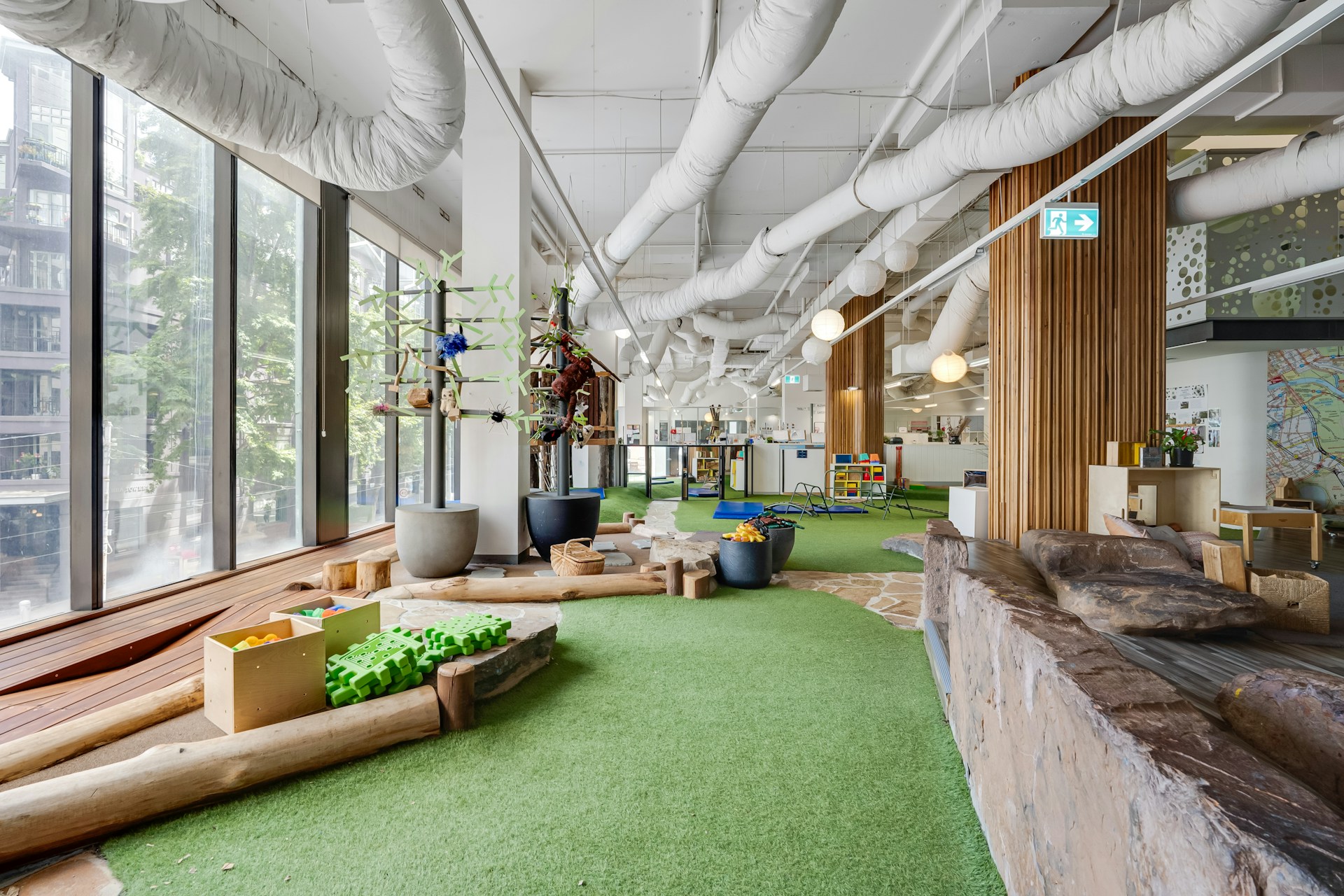
The concept of sustainable office design has become a key pillar to how modern workplaces are designed and fitted out. Carbon emissions, climate change and employee wellbeing are valid concerns for most organisations. As a result, commercial spaces are being reimagined to reduce environmental impact, improve energy efficiency, and foster healthier environments.
At Niche Projects, we specialise in building workspaces that combine high performance with low environmental footprint. In this article, we’ll explore the key elements of sustainability in office design, from materials and layouts to lighting and air quality, and how they all contribute to better outcomes for people and the planet.
What is sustainable office design?
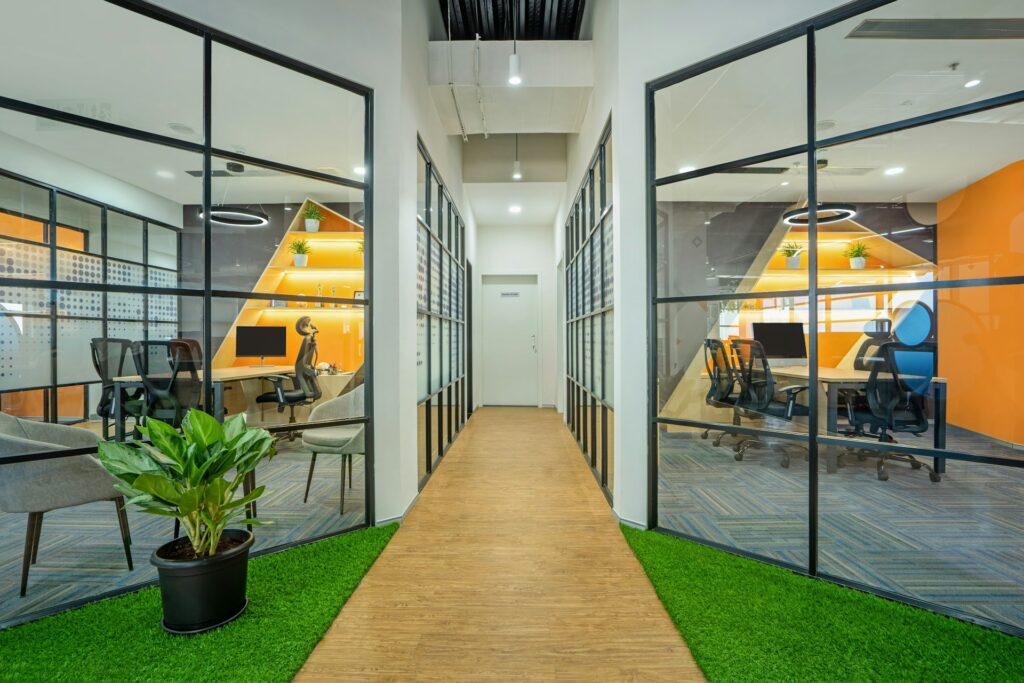
Sustainable office design is about creating workplaces that minimise environmental impact while supporting long-term functionality and human wellbeing. It includes choices around materials, energy use, waste reduction, and how the space interacts with natural light and airflow.
Unlike conventional office fitouts, sustainable commercial design considers the entire lifecycle of materials, encourages reuse and recycling, and integrates green technologies. It is also about designing for adaptability, ensuring that offices can evolve with the business rather than requiring complete rebuilds when things change.
Beyond environmental benefits, green office design can boost employee engagement, lower energy costs, and even enhance a business’s reputation as an environmentally responsible organisation.
Key features of truly sustainable commercial design
A well-thought-out sustainable office interior design considers every element of the workspace, from how it’s constructed to how it functions over time. Here are some of the essential elements to look for:
Energy-efficient lighting and equipment
Energy use is one of the biggest environmental impacts in office spaces. A sustainable office design will prioritise LED lighting, smart sensors, and energy-efficient appliances. It may also incorporate task lighting to reduce the need for overhead illumination and utilise motion sensors to avoid wasting electricity in unused spaces.
Use of recycled and low-impact materials
Choosing recycled, reclaimed, or locally sourced materials is a hallmark of sustainable commercial design. Furniture made from FSC-certified timber, carpets made from recycled plastic, or non-toxic paint finishes are just a few examples of how material choices make a difference.
Indoor air quality and biophilic elements
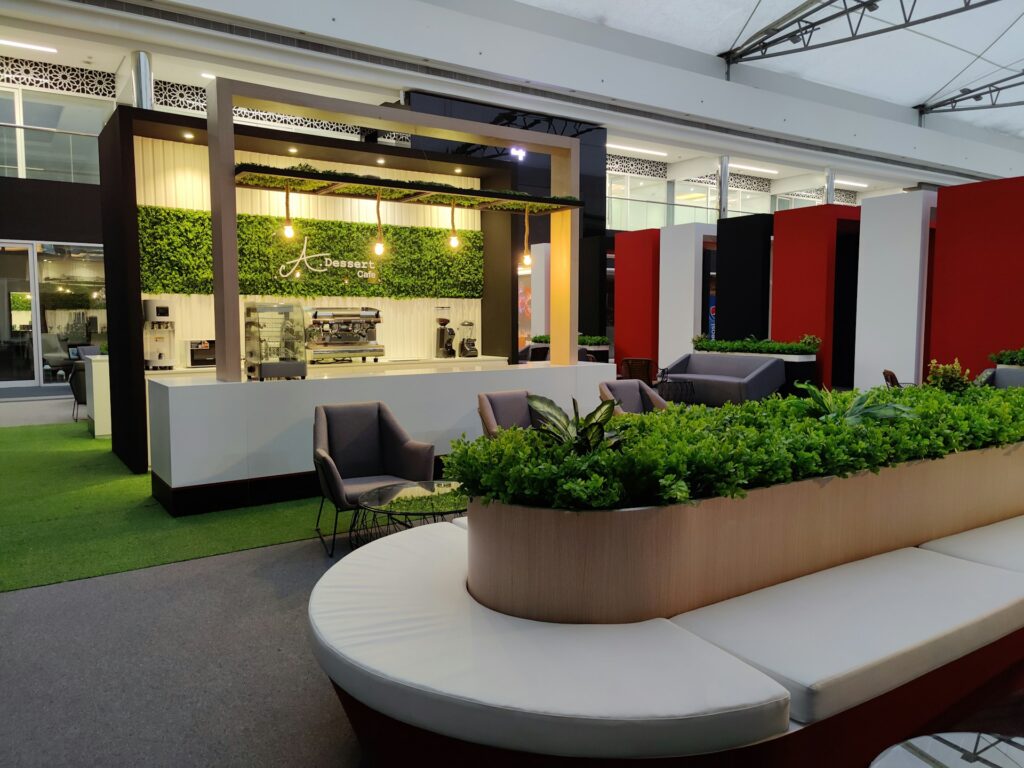
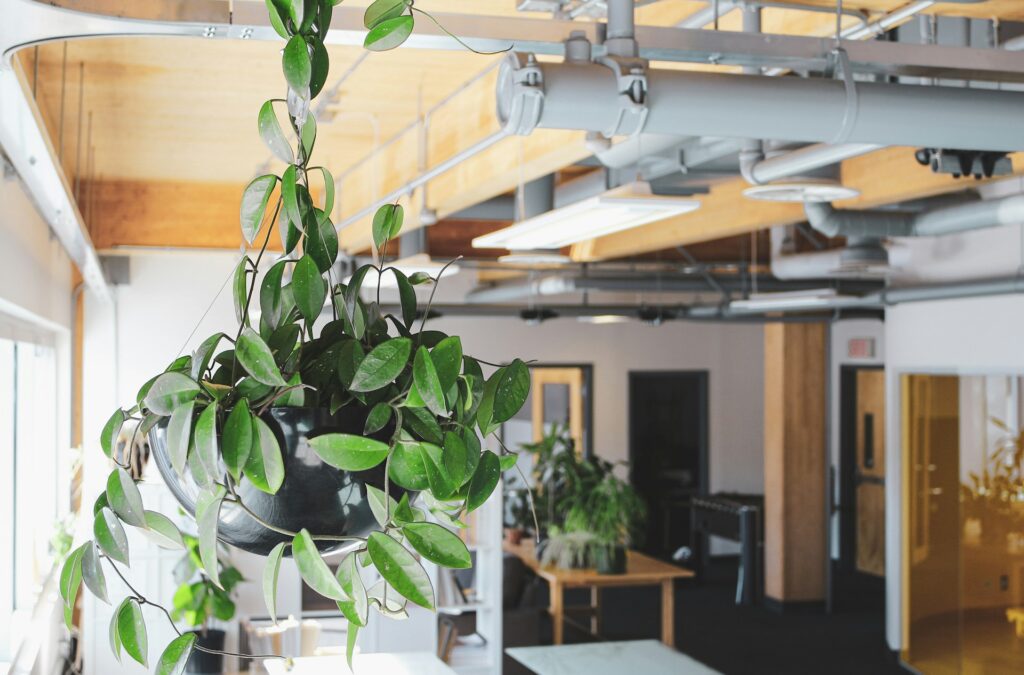
Indoor environments significantly affect occupant health. Design strategies that improve ventilation, use low-VOC materials, and incorporate indoor plants or green walls contribute to better air quality and enhanced wellbeing. These are also great green office ideas for enhancing productivity.
Natural light and thermal comfort
Access to daylight is crucial for both sustainability and staff satisfaction. Smart window placement, light shelves, and glazing options can help maximise daylight while controlling heat gain. Insulation, ceiling fans, and energy-efficient HVAC systems support comfort without excessive energy use.
Flexible, modular spaces
One of the most practical sustainable office design ideas is to create flexible work areas that can be easily adapted over time. Modular furniture, movable partitions, and multi-use zones help reduce the need for future construction and material waste.
Waste and water reduction strategies
Incorporating recycling stations, water-saving fixtures, and policies that reduce single-use items are all part of green commercial design. These initiatives not only reduce waste but also promote a culture of environmental responsibility among staff.
Certification and benchmarking
Projects may also be guided by environmental certification standards such as Green Star or WELL, which provide benchmarks for best practice in sustainability in office design.
Return on investment of sustainable office design
While sustainability is often seen as a moral or environmental choice, it is equally a sound financial investment. Well-executed sustainable design can deliver measurable returns over the life of the office fitout:
- Payback periods for energy efficiency upgrades – Energy-efficient lighting, HVAC systems, and smart building controls often recoup their installation costs within just a few years through reduced utility bills.
- Impact on employee productivity and retention – Healthier, more comfortable work environments can increase productivity, reduce absenteeism, and improve staff retention, lowering recruitment and training costs.
- Long-term operational savings – Durable, low-maintenance materials and efficient systems reduce the need for costly repairs and replacements.
- Increased property value – Green-certified and energy-efficient buildings typically attract higher rents and sale prices, making them more appealing to tenants and investors alike.
For many clients, these tangible returns help justify upfront costs and reinforce that sustainable design is as much about smart business strategy as it is about environmental stewardship.
Post-occupancy performance monitoring
Our commitment to sustainability continues long after the project is complete. Through post-occupancy monitoring, we help clients maximise the ongoing performance of their office spaces:
- Tracking key metrics – We monitor energy consumption, water usage, and indoor air quality to ensure your office is meeting sustainability targets.
- Fine-tuning systems – By analysing real-world usage data, we can adjust lighting, HVAC, and building controls to further improve efficiency.
- Ongoing sustainability support – We offer follow-up reviews and guidance to help your business stay on track with its environmental goals, even as your operations evolve.
This ensures that your investment in sustainable design continues to deliver value year after year.
Employee engagement in sustainable spaces
The most effective green office designs inspire behavioural change as well as environmental savings. At Niche Projects, we integrate features that encourage staff to actively participate in sustainability efforts:
- Encouraging active transport – Designing layouts that make stair use more inviting than lifts.
- Recycling points and clear signage – Strategically placed recycling stations with clear, user-friendly instructions help ensure waste is sorted correctly.
- Collaborative, multi-use spaces – Areas designed for both meetings and casual work reduce the need for additional rooms and unnecessary energy use.
By designing with people in mind, we help embed sustainability into daily routines, creating a workplace culture that supports both the environment and employee wellbeing.
Hiring a sustainable office design firm in Sydney
Working with a sustainable office design firm like Niche Projects means more than just choosing eco-friendly materials. It means embedding sustainability into the very foundation of your workspace. We collaborate closely with clients to tailor each design to their business needs while also aligning with broader sustainability goals.
Our team has extensive experience in green office design, from small fitouts to large-scale commercial spaces across Sydney. Whether you’re upgrading an existing office or starting from scratch, we can advise on design decisions that will reduce your footprint and support long-term operational efficiency.
At Niche Projects, sustainability doesn’t mean compromising on style or functionality. Our interiors are modern, vibrant, and built to last, all while incorporating the best green office ideas into each and every layout.
Book a consultation with Niche Projects today
A forward-thinking workspace is a competitive advantage, and sustainable office design is at the heart of that shift. If you’re ready to transform your office into a space that reflects your values, supports your team, and reduces your environmental impact, Niche Projects is here to help.